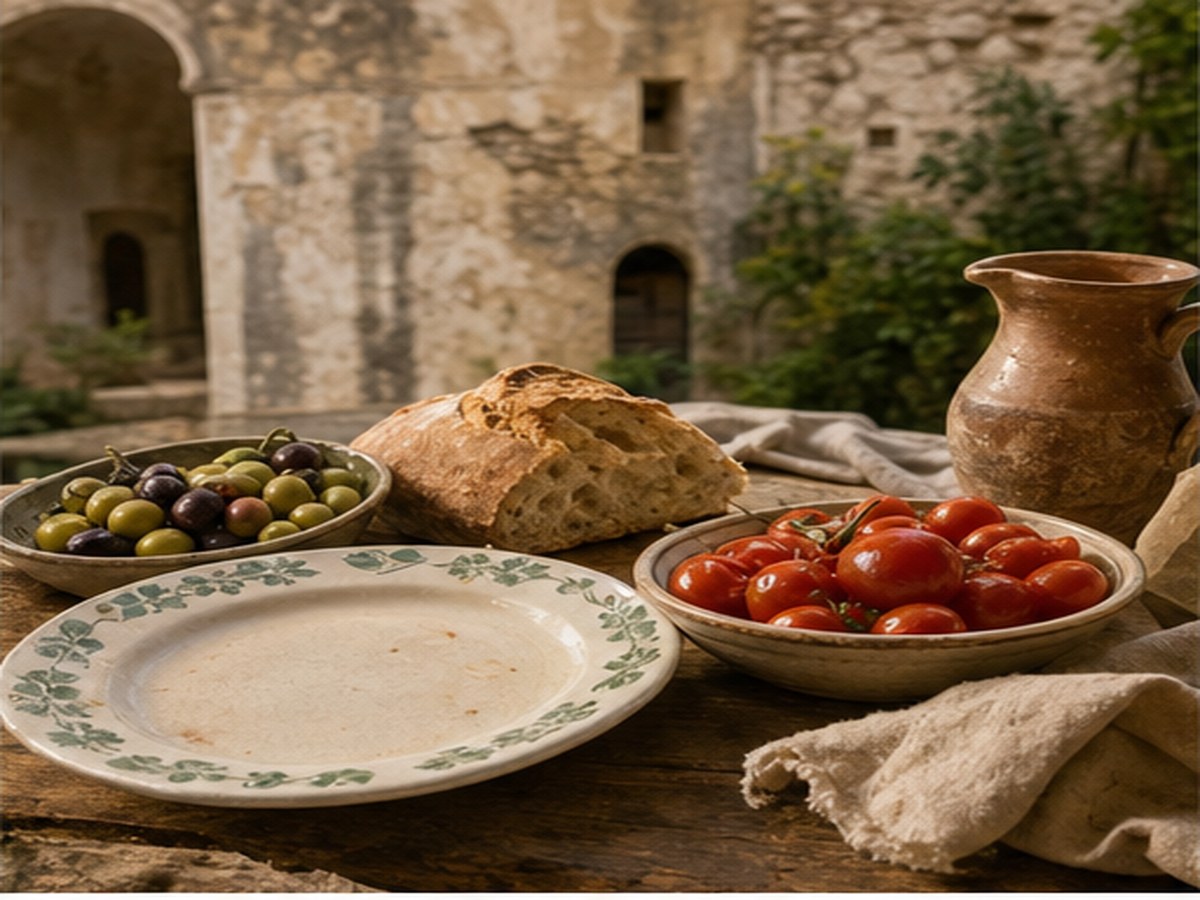
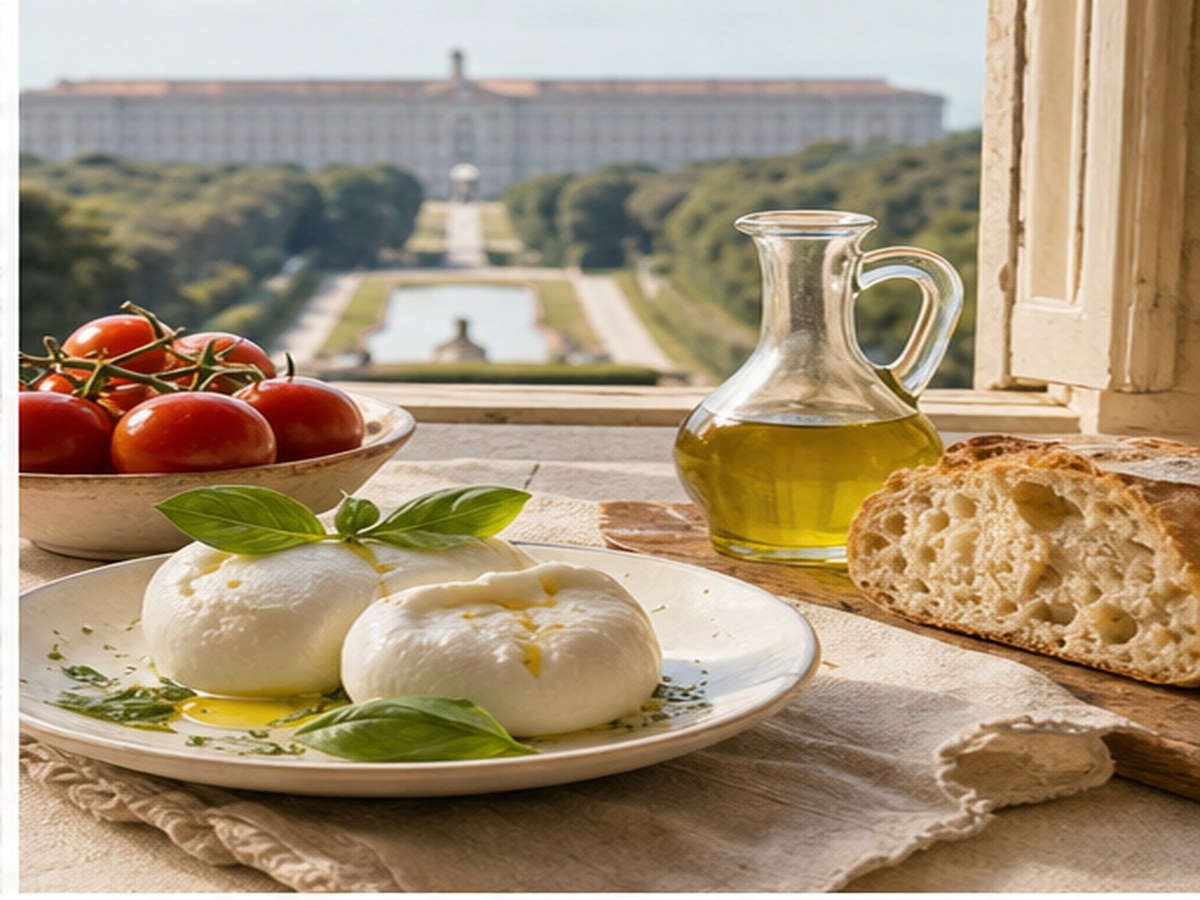
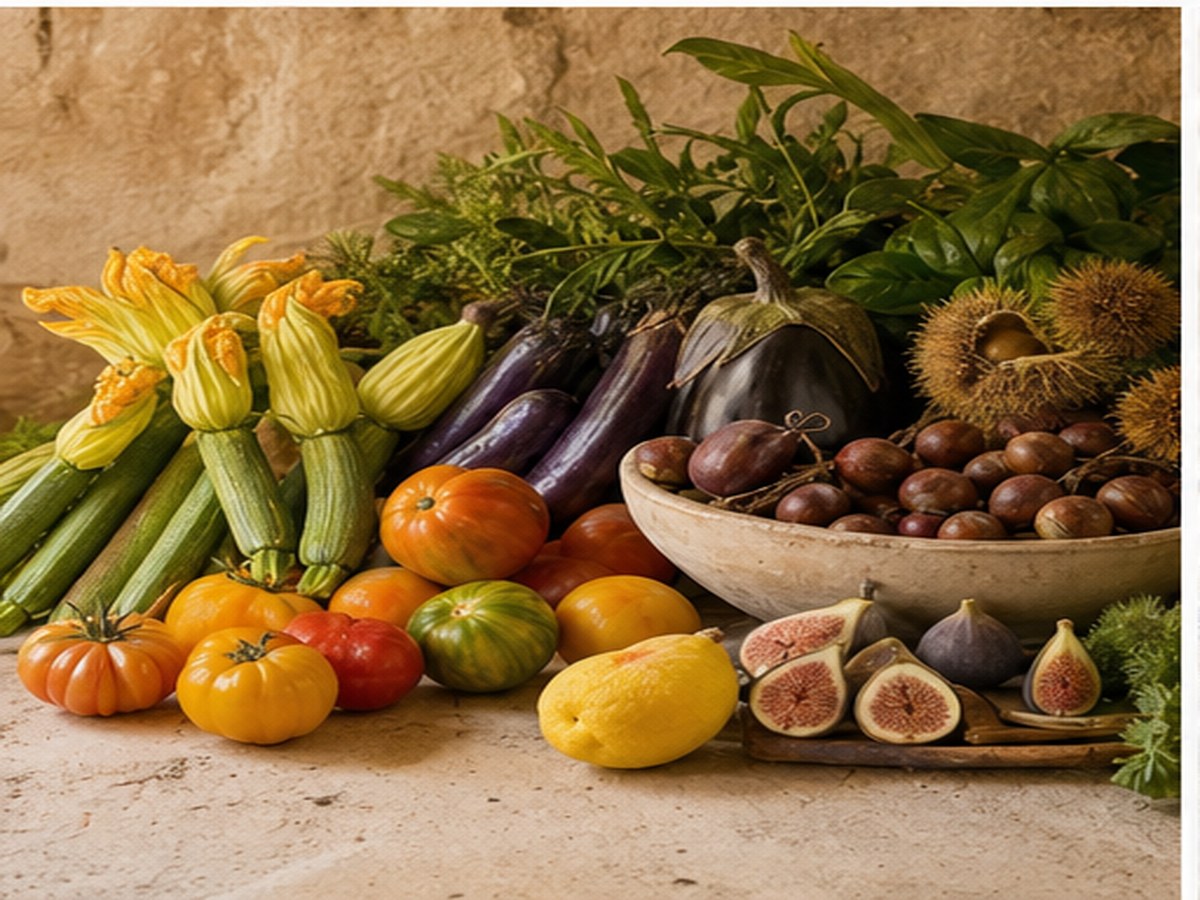
Olio di Oliva in Campania
Liquid Gold of Our Land
Not just an ingredient. It is part of our identity, our health, our everyday life. We use it on almost everything — salads, pasta, pizza, bread, vegetables, fish, meat, soups. Every single dish except the cakes. My father used to take us as children to the hills around Caserta to see the ancient olive trees, and he painted them with oil pastels. Hundreds of years old, their shapes and bark reflecting their age and their knowledge.
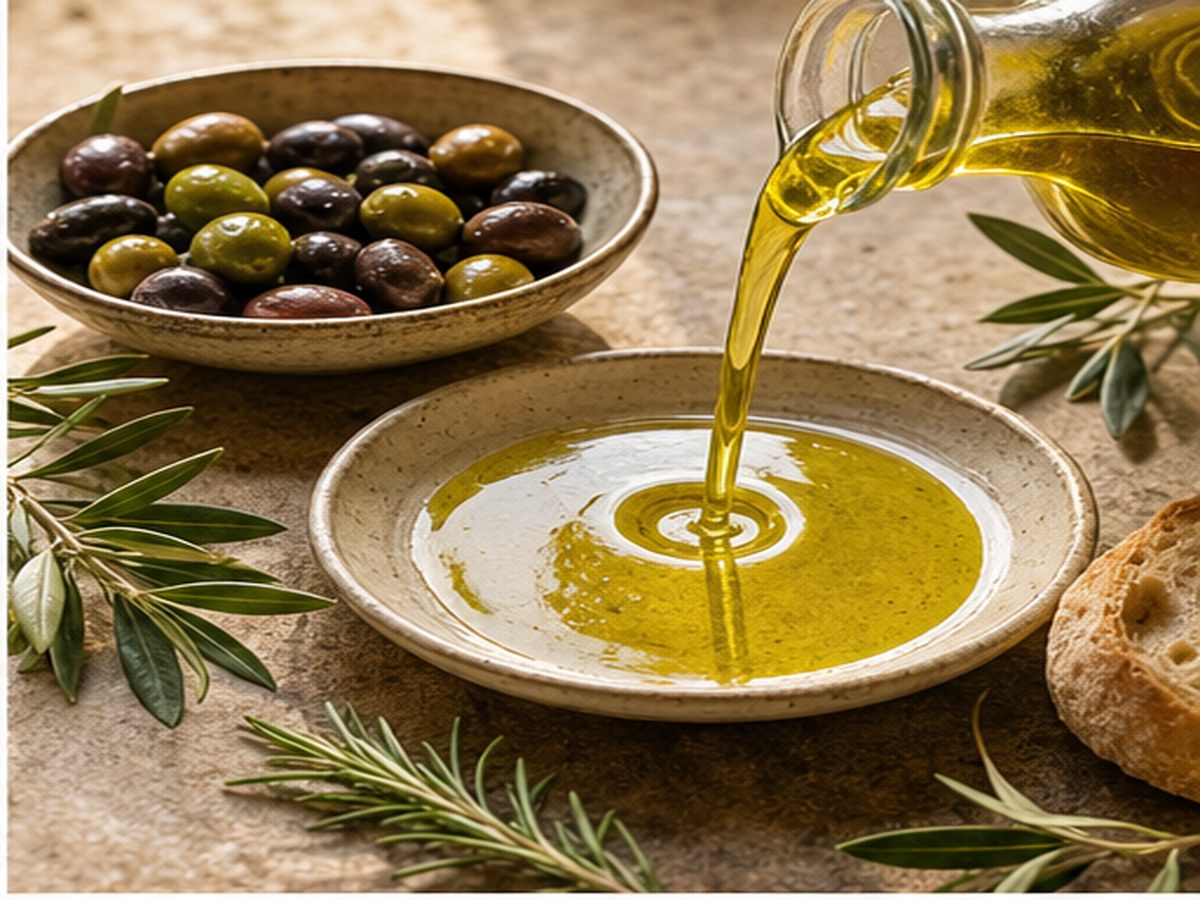
Those excursions to the hills were painting trips for him and landscape trips for us. The trees were the subject and also the setting. You stood among them and understood that they had been here a very long time and would be here considerably longer. The oil that comes from trees like these carries something of that duration — not literally, but in the sense that the tree's specific relationship to the soil and the climate of those hills is expressed in the chemistry of the olives it produces. Extra virgin olive oil from ancient trees on volcanic soil in the Campanian hinterland is a specific thing, not interchangeable with oil from younger trees grown in different conditions.
Olive oil is the fat of the Campanian kitchen and of the Mediterranean diet — not butter, not lard, not vegetable oil. The distinction is not snobbery but habit and history: the olive tree has been cultivated in this part of the world for over three thousand years, since the Greek colonists who founded the cities of Magna Graecia along the Campanian coast brought it from the eastern Mediterranean. The oil it produces has been the primary cooking fat of this region for so long that the Campanian kitchen is built around its specific flavor and its specific behavior in heat. You cannot simply substitute another oil and expect the same result — the flavor of a garlic softened in extra-virgin olive oil, the finish of a drizzle of raw oil over a finished dish, the specific quality of fried food in olive oil at the right temperature, are what they are because of what olive oil specifically is.
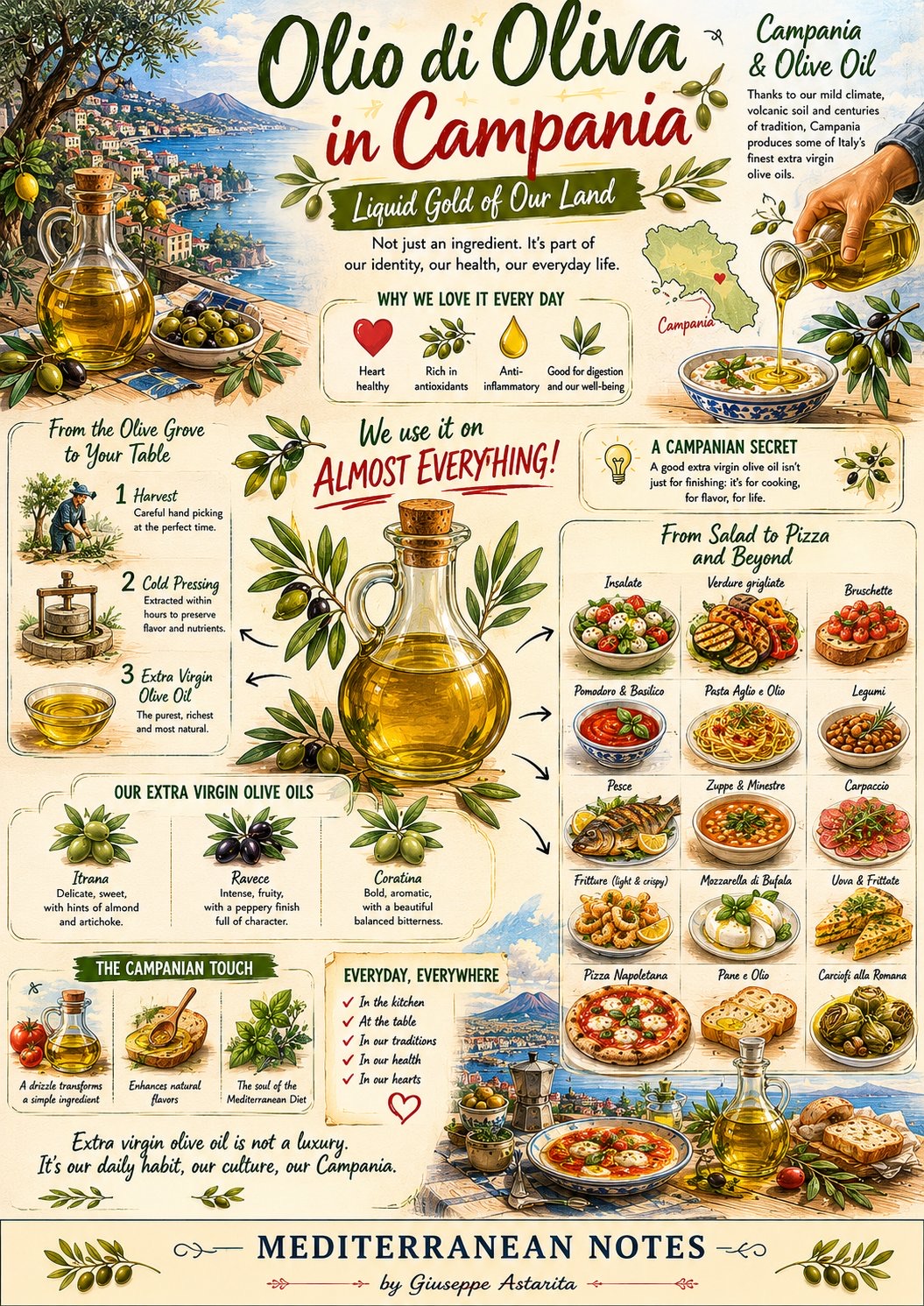
The Campanian olive varieties
Where it goes — almost everything except cakes
Extra-virgin olive oil is defined by two criteria: it must be produced exclusively by mechanical means (cold pressing) without chemical solvents or heat treatment, and its free fatty acid content must be below 0.8% expressed as oleic acid. This chemical definition corresponds to a sensory one: extra-virgin olive oil retains the volatile aromatic compounds, polyphenols, and fat-soluble vitamins that are degraded or removed by the refining processes used to produce lower grades. The free acidity threshold is a proxy for the health of the olives at pressing — damaged or oxidized olives produce higher acidity from enzymatic activity before pressing.
The health benefits associated with the Mediterranean diet and specifically with olive oil consumption are attributed primarily to three compound classes. Oleocanthal — a polyphenol that inhibits the same enzymes as ibuprofen — has anti-inflammatory effects at the concentrations present in a daily serving of extra-virgin oil. Hydroxytyrosol and oleuropein — bitter phenolic compounds responsible for the peppery finish of high-quality oil — are among the most potent antioxidants in the human diet, with documented protective effects on cardiovascular and neurological tissue. Oleic acid — the predominant fatty acid in olive oil at 55–83% of total fat — is a monounsaturated fatty acid associated with favorable LDL/HDL cholesterol ratios and improved insulin sensitivity. The combination of these three mechanisms, operating simultaneously in a diet where olive oil is the primary fat, is what the epidemiological research on the Mediterranean diet consistently measures. The ancient trees on the Caserta hills produced olives that were pressed into oil that went into the kitchen that produced the food described in this collection. The chain is unbroken.
It is our daily habit, our culture, our Campania.
Every dish in this collection uses olive oil. Not as an option or a preference but as the medium through which the other ingredients are cooked and through which the finished dish is completed. The garlic softened for the ragù, the oil in which the carciofi were grilled on the balcony, the drizzle that finished the pettole e fagioli, the raw pour over the bruschetta, the abundant dressing of the salad that produced the scarpetta at the end. The collection is, among other things, a document of how much olive oil a Campanian family goes through in a year and how completely the flavor of the food depends on it.
My father painted the ancient olive trees on the hills above Caserta with oil pastels. The pastelli ad olio — oil-based pigment sticks — are themselves a medium that uses oil as a binder, which gives them their characteristic richness and their inability to fully dry. He painted the bark, the twisted forms, the specific light of the Campanian hills in autumn when the olive harvest was approaching. Those paintings exist somewhere. The trees still exist on those hills. They are older now by the years that have passed since those excursions, which is a small addition to their already enormous age.
Oro liquido della nostra terra —
in every dish, in every drizzle, in every memory.