Campanian kitchen · Seafood · Shellfish soups · 'O Rrusso · Tradition
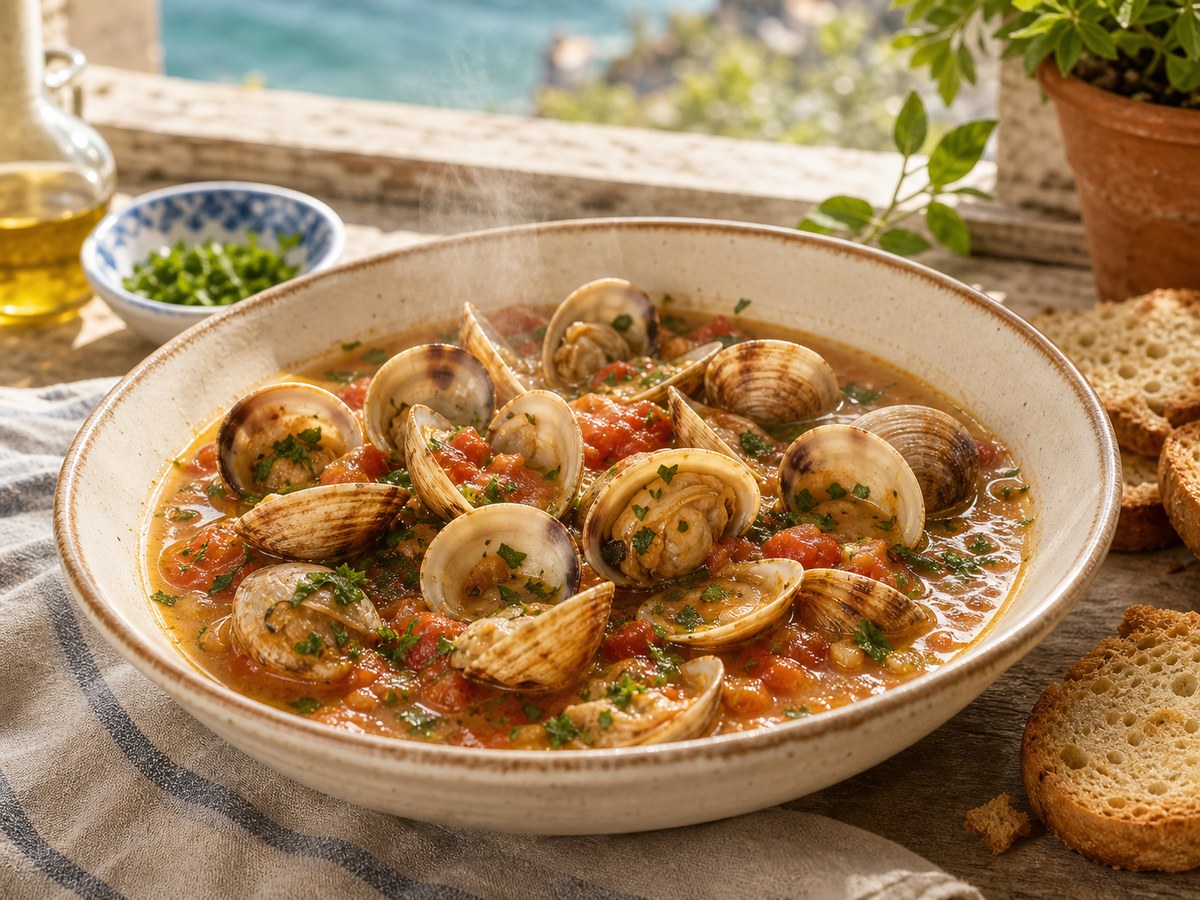
Zuppa di cozze e vongole
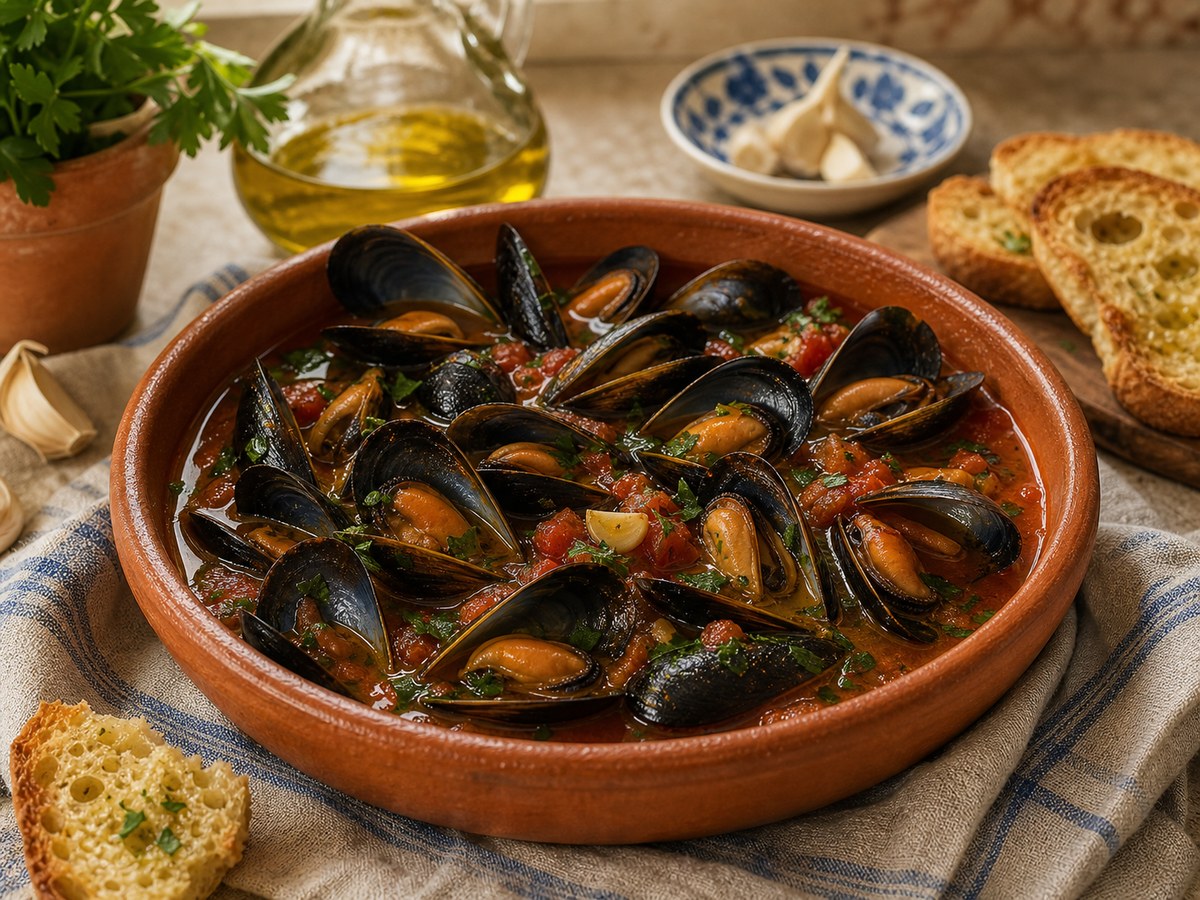
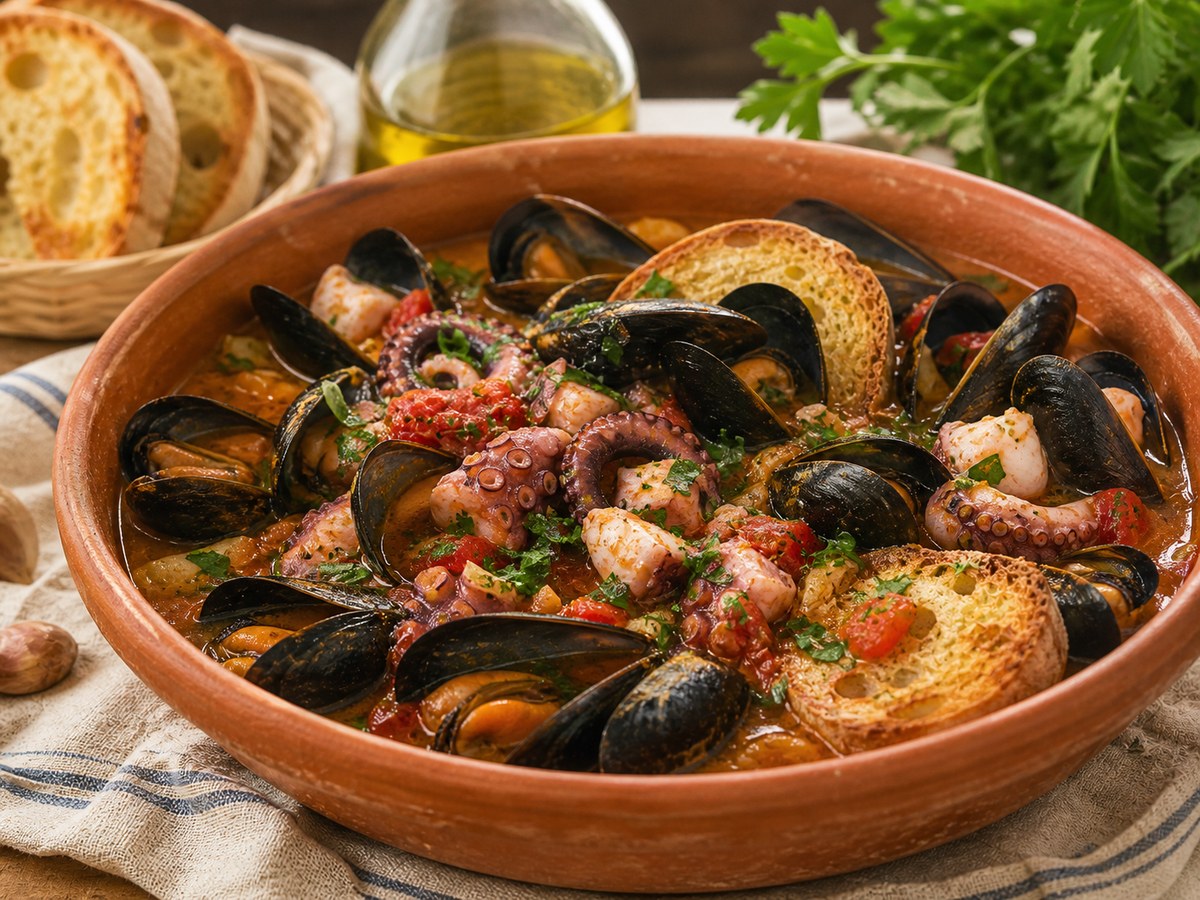
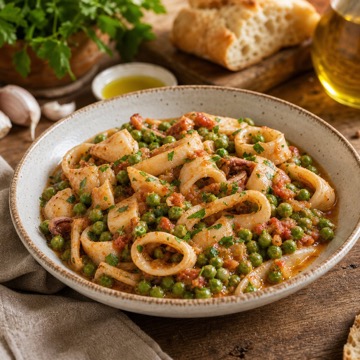
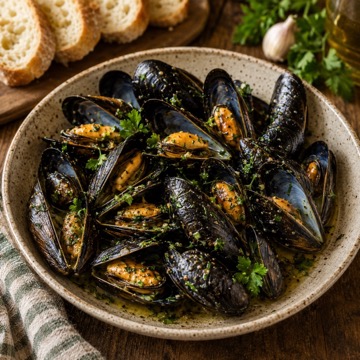
Three preparations, one tradition: the clam guazzetto, the weekday mussel soup, and the full Holy Thursday version with octopus and sea snails. The broth is always the point. The bread is never optional.
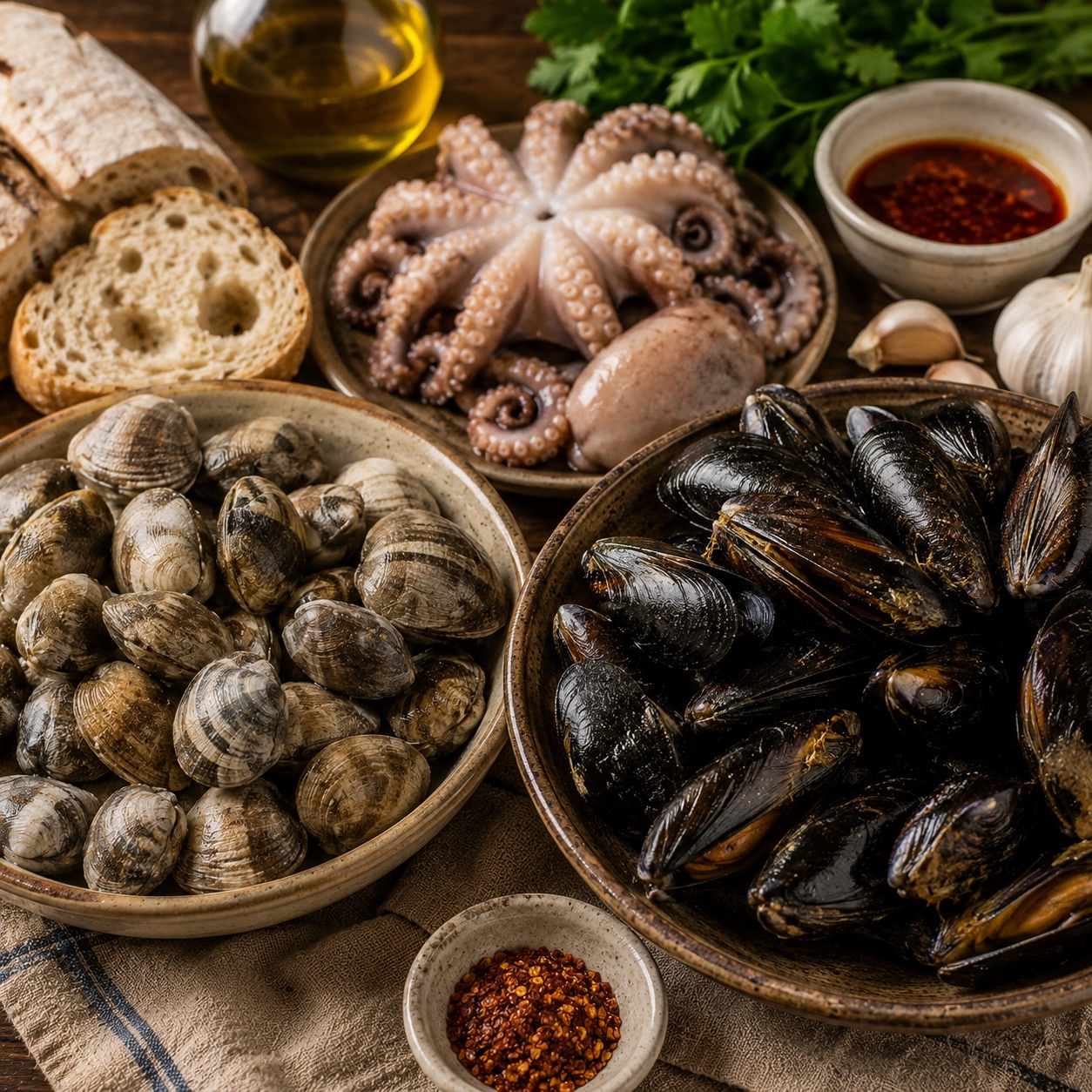
Mussels on a harbour wall in southern France. Moules-frites on a Brussels street corner. Clam soup eaten at a table above the sea somewhere in Campania in summer. You think you know shellfish until you eat it where it comes from. Then you understand why it tastes different everywhere, and why the Mediterranean version — the one pulled from the Tyrrhenian, where the volcanic sea floor changes the mineral character of the water and the animal that filters it — is a specific thing that cannot be replicated by importing the recipe.
The shellfish soups of Campania run from the quick and everyday to the ceremonial. The zuppa di vongole is summer lunch — fast, bright, clam broth over garlic crostini. The mussel soup without octopus is a weeknight dish, thirty minutes, the 'O Rrusso non-negotiable. The full traditional preparation — octopus, sea snails, freselle di mare — is the Holy Thursday feast, made once a year along the Neapolitan coast, requiring most of a morning and tasting, when done correctly, like the concentrated flavor of the Tyrrhenian Sea in a bowl.
All three share the same logic: the broth is what you are eating, the shellfish are the vehicle that built it, the bread is how you finish it. The 'O Rrusso — the Neapolitan chili oil steeped at low heat — is the element that makes each version specifically Neapolitan. Without it the soup is technically correct and missing its character.
Why Mediterranean shellfish tastes different — filter feeding and water chemistry
Mussels and clams are filter feeders. They draw water continuously across their gills, extracting phytoplankton and dissolved organic material and concentrating it in their tissue. The flavor of the shellfish is therefore a direct function of the water it lives in. Mediterranean shellfish grow in water with a specific mineral profile, specific phytoplankton communities, and — in Campanian coastal areas like the Phlegrean Fields near Pozzuoli — volcanic geological inputs that alter water chemistry detectably. The volatile aromatic compounds in shellfish — aldehydes, ketones, sulfur-containing molecules, and polyunsaturated fatty acid-derived compounds — are synthesized from what the animal consumes. Change the environment, change the flavor. The guazzetto — the liquid the shellfish releases when opened over heat — concentrates all of these water-soluble flavor compounds plus amino acids (primarily glycine, taurine, and glutamate) that give shellfish broth its marine sweetness. Filter it through cloth, keep every drop, and build the soup from it. Nothing is more important in any of these three recipes.
'O Rrusso — make it once, use it every time
All three preparations call for it. None of them work the same way without it. The 'O Rrusso is not a finishing garnish — it is the element that makes a shellfish soup specifically Neapolitan rather than generically Mediterranean. My mother kept a jar of it in the refrigerator at all times during the winter months. You add it at the end, over the bowl, just before eating. Most people add more halfway through.
Choose your preparation