Impasto per Pizza
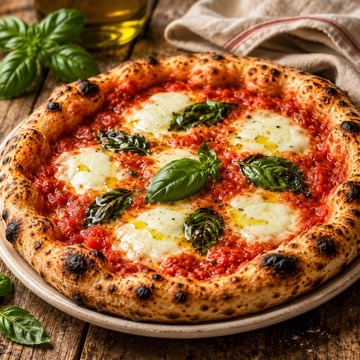
Flour, water, yeast, salt, a little oil, and mostly time. This is the plain, same-day or overnight dough behind Pizza Margherita on this blog — pulled out on its own, since it's the base for more than one recipe here.
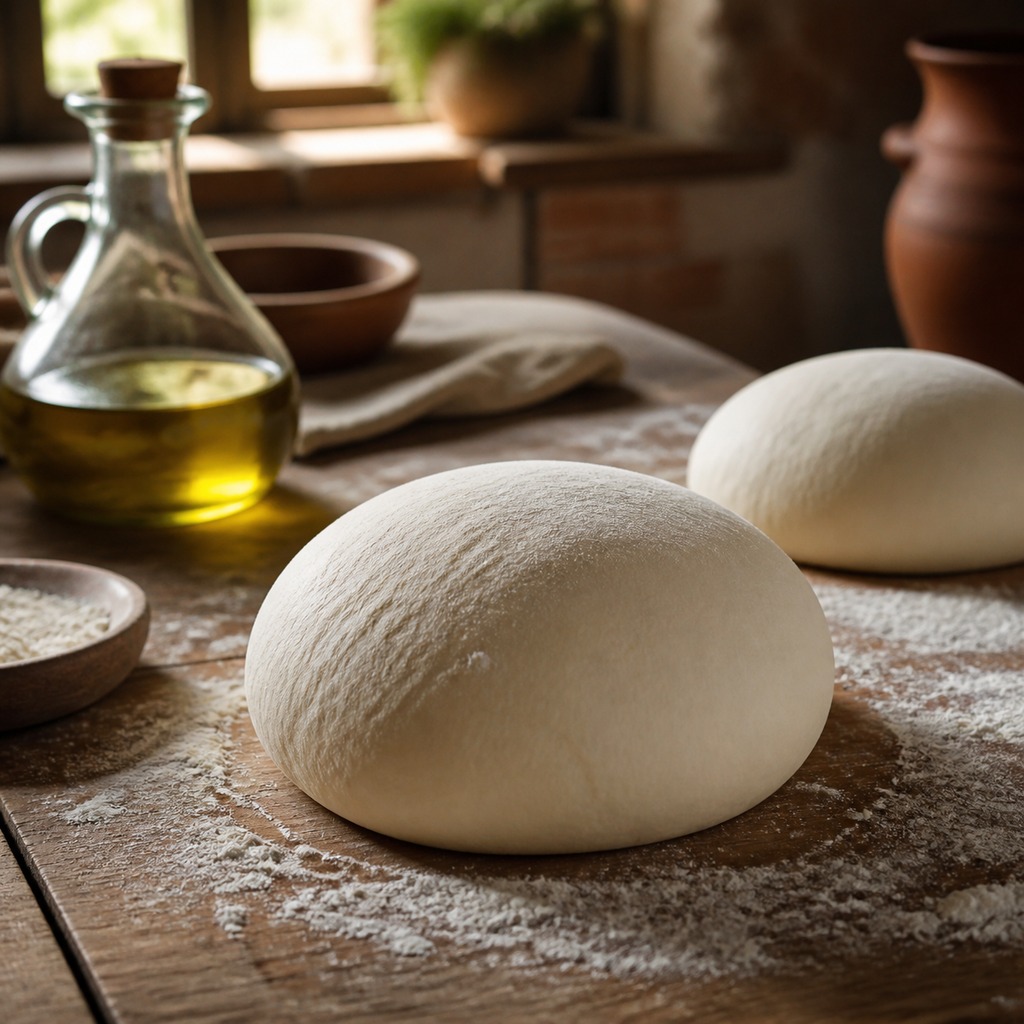
This is the same dough used for Pizza Margherita on this blog — no eggs, no butter, nothing enriched. Just flour, water, yeast, salt, and a spoon of olive oil, given time rather than force to develop. A same-day dough works; an overnight one in the fridge is better, since the slow cold rise builds more flavor.
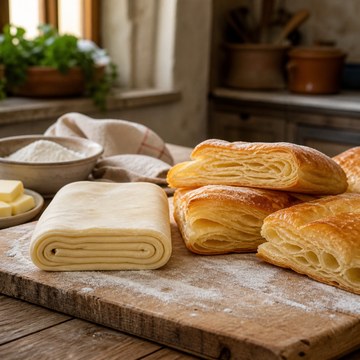
Not every pizza dough here is this dough. This one is plain and yeasted. Others on the blog are enriched with lard, or aren't yeasted at all.
The dough
Makes enough for four 10–12 inch pizzas, or a larger batch of mini pizzas.
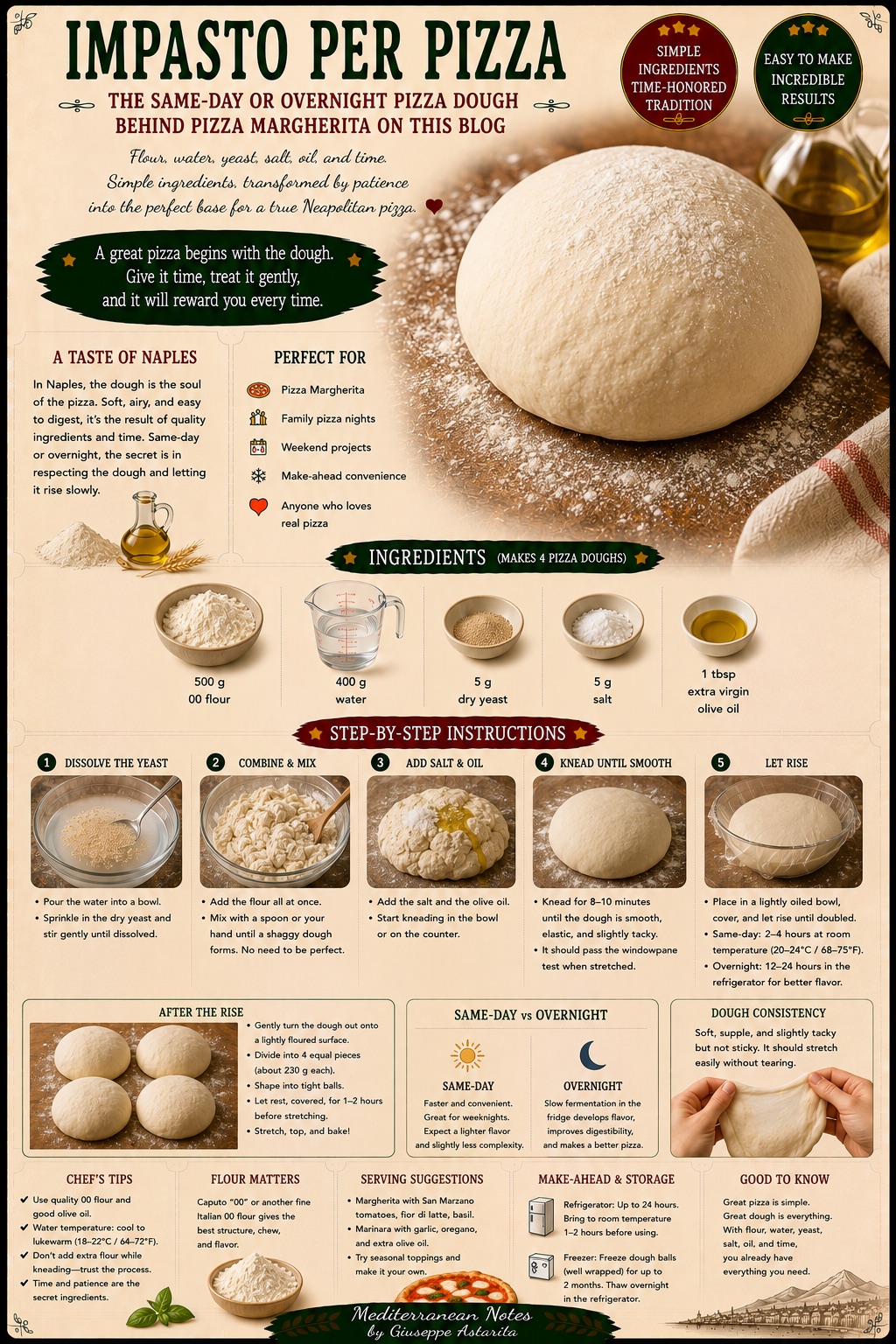
Impasto per Pizza — the same-day or overnight dough. Click to enlarge.
500 g00 flour
400 gWater
5 gDry yeast
5 gSalt
1 tbspExtra virgin olive oil
1
Combine flour, yeast, salt, oil, and water in a large bowl. Mix until a shaggy dough forms — no dry flour remaining. It will look rough. That's fine.
2
Cover the bowl and let it rest for 10 minutes. This is the autolyse — the flour absorbs the water and the gluten begins to develop on its own, without any kneading.
3
Perform 3–4 sets of folds, spaced 20 minutes apart. Each set: wet your hand, grab one side of the dough, stretch it up and fold it over the center. Rotate the bowl a quarter turn and repeat four times. Cover and wait 20 minutes. Repeat.
4
Cover tightly and let the dough rise at room temperature until doubled — roughly 3–5 hours depending on the temperature of your kitchen, or overnight in the fridge for more flavor.
5
About 2 hours before baking, divide the dough and shape into balls. For standard 10–12 inch pizzas: 250 g per ball. For mini pizzas the kids can stretch themselves: 50 g per ball. Place in lightly oiled containers, cover well, and rest at room temperature until ready to stretch.
From here, stretch by hand — never a rolling pin, it presses out the air — and bake as in the Margherita recipe.
Not every pizza dough here is this one
This plain yeasted dough is the one to reach for by default, and it's what's behind the Margherita. But several other pizza-family recipes on this blog use something different, worth knowing before you assume one dough fits everything:
Tortano e Casatiello
Enriched with lard (strutto) worked through the dough, which makes it richer and more tender than this plain version. See
the full recipe.
Panzarotti di Spinaci e Scarola
A similar yeasted dough, but enriched with lard or butter and meant to be fried rather than baked. See
the full recipe.
Pizza Rustica
Not a yeasted dough at all — this is built on pasta frolla, a butter-and-egg shortcrust, since it's really a savory pie. See
the full recipe.
Pizzette Fritte
The same family of plain yeasted dough as this one, portioned smaller and fried instead of baked. See
the full recipe.
Buon appetito.