Il Pinzimonio di Mia Madre
A little spoon of love from Caserta
My mother made the best pinzimonio. She never measured anything. She always said it the same way, lifting the bowl — aggoungi un po' di pinzimonio. I always liked that word for some reason. It makes me smile. Aggoungi un po' di pinzimonio — e tutto sa di casa.
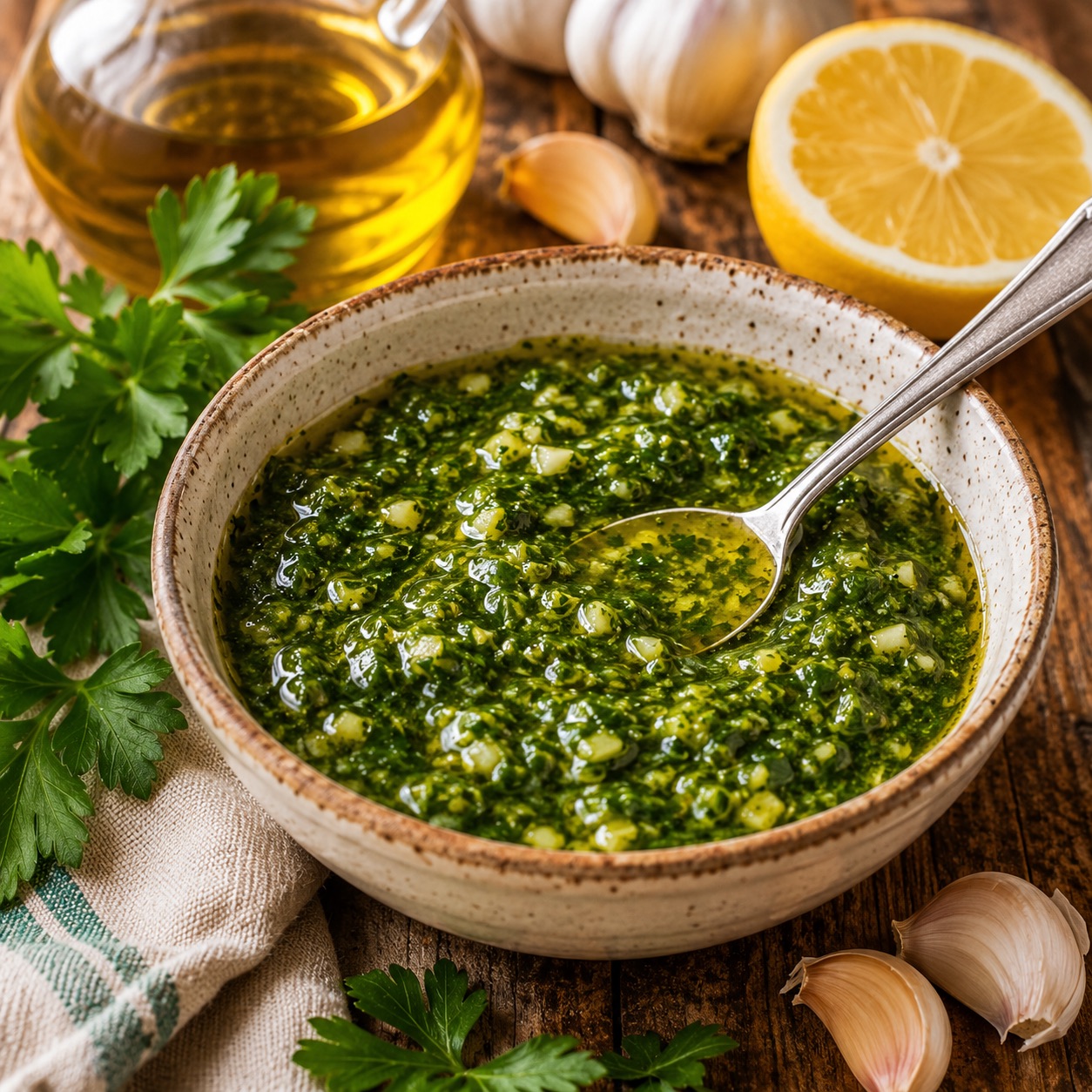
The word itself is part of it. Pinzimonio. I do not know why the word makes me smile every time I say it — there is something in the sound of it, the four syllables arriving with a certain lightness, the way the last vowel opens rather than closes. It is the kind of word that sounds like what it describes: something small and fragrant and generous and slightly unnecessary in the best possible way. In most of Italy pinzimonio means a simple dip of olive oil and salt for raw vegetables at the end of a meal — a dignified and minimal preparation. In Naples it means something else: the fragrant parsley and garlic and lemon emulsion that goes on grilled fish, boiled octopus, sautéed mussels, hot bread, boiled potatoes, almost anything that benefits from a herb-oil-acid counterpoint. The same preparation is also called salsa al prezzemolo, or salmoriglio in its oregano variant. My mother called it pinzimonio, and so I call it pinzimonio, and so it will be called on this blog.
She made it without a recipe. I never saw her measure anything for it, not the oil, not the lemon, not the parsley. She chopped the parsley on the board — a lot of it, more than you would think was correct — and minced the garlic finely, and put them in the bowl, and poured the olive oil slowly while whisking with a fork until the whole thing emulsified into a bright, intensely green, fragrant sauce that smelled like the garden and the sea simultaneously. Then the lemon juice. Sometimes an anchovy, dissolved. Sometimes a pinch of oregano if it was going on fish. Sometimes just the parsley and oil and garlic and lemon, which is the fundamental version and the one that is always right. She let it rest for a few minutes before using — the infographic carries this detail, and she understood it correctly: the resting time allows the garlic to infuse further into the oil and the parsley to release more of its aromatic compounds. Then she poured it, or she brought it to the table in the bowl for everyone to take as much as they wanted.
The infographic's subtitle for her secret is exactly how I remember it: Tanto prezzemolo, olio buono e amore. Lots of parsley, good oil, and love. Three ingredients, and none of them measured. The parsley was always more than seemed reasonable and always correct. The oil was always the best she had, because a pinzimonio made with poor olive oil is a fundamentally different preparation than one made with good olive oil — the emulsification behaves differently, the flavor has less depth, and the finished sauce does not carry the green and fruity complexity that makes the difference between a condiment and something you want more of. And the love, which in this context means: made with attention, with the intention that it should be good, which is what separates a bowl of oil and chopped parsley from a pinzimonio.
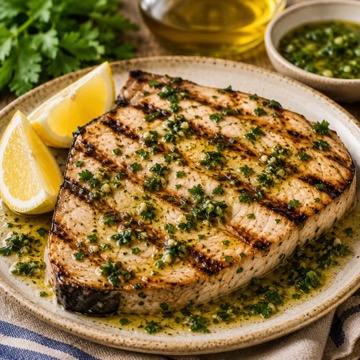
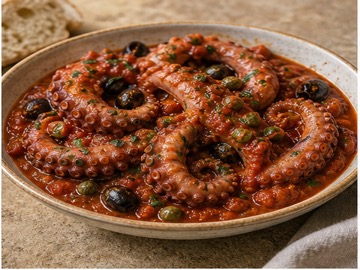
In the Neapolitan tradition the pinzimonio is a jolly — a wild card, the sauce that goes on everything and improves everything without masking anything. Its function is to enhance rather than cover: it adds freshness, acidity, herbal depth, and the specific aromatic quality of raw garlic and fresh parsley to whatever it accompanies, without changing the fundamental character of the dish. A piece of grilled swordfish with pinzimonio is still a piece of grilled swordfish — the pinzimonio does not transform it, it elevates it. Boiled octopus with pinzimonio is still boiled octopus. The pinzimonio is always secondary to what it is accompanying, and this is the correct relationship. The moment the sauce becomes the point, it is no longer a pinzimonio. It is something else.
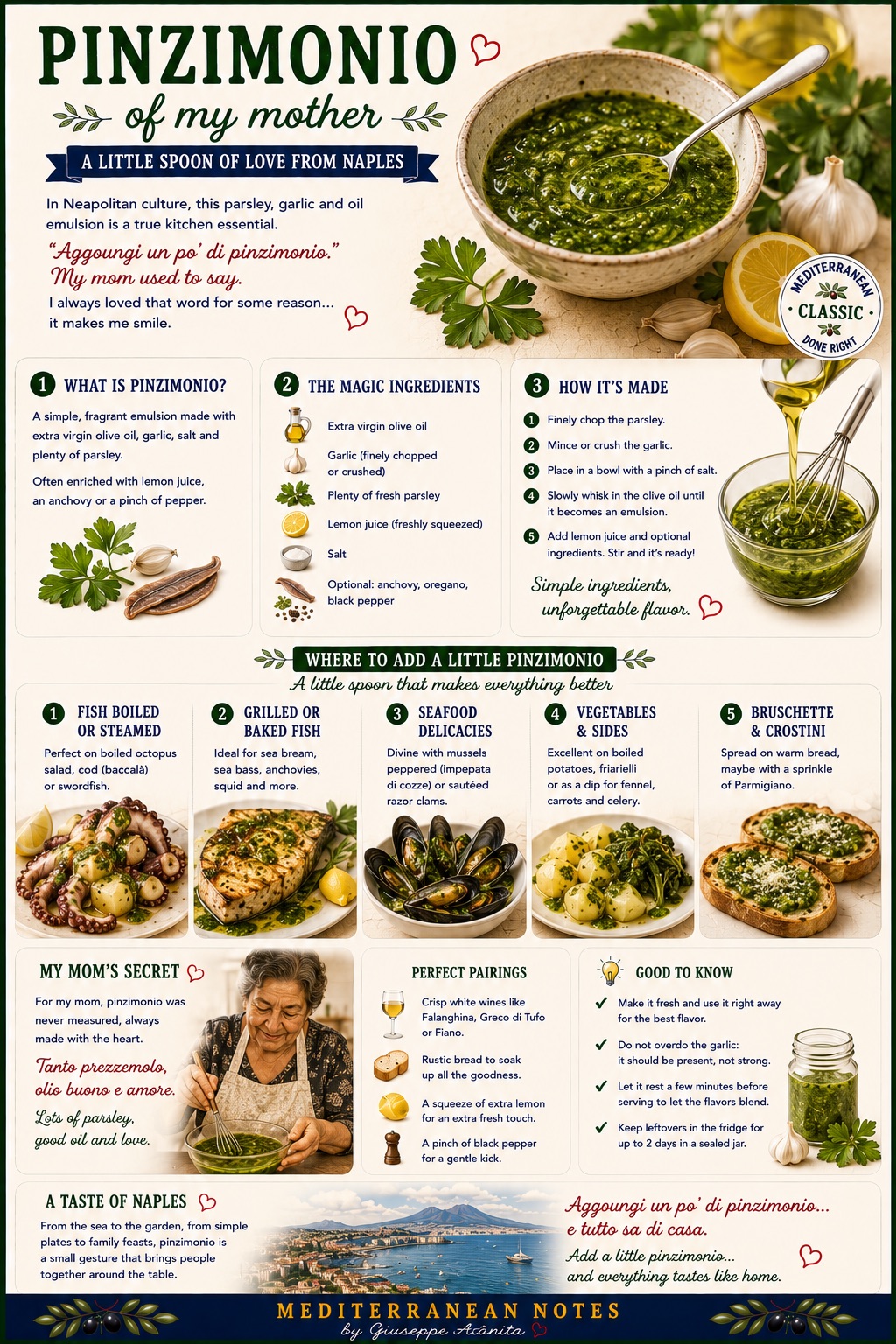
La ricetta — come la faceva lei
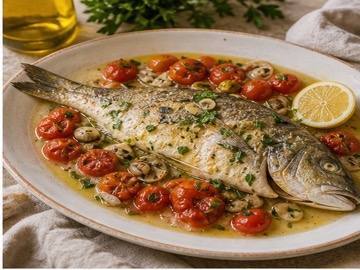
Dove aggiungere un po' di pinzimonio
Fresh flat-leaf parsley (Petroselinum crispum) contains a specific combination of volatile aromatic compounds — primarily myristicin, apiole, and a range of terpenes including limonene and beta-phellandrene — that give it its characteristic fresh, slightly peppery, herbal fragrance. These compounds are fat-soluble, meaning they dissolve into and are carried by the olive oil phase of the pinzimonio, which is why the preparation is more aromatic than a simple parsley-water mixture would be. The mechanical action of chopping releases these compounds from the plant cells, and the whipping action during emulsification further exposes them to the oil. The garlic contributes allicin and related organosulfur compounds, formed enzymatically when the garlic cells are cut or crushed. The lemon juice provides citric acid (giving acidity and brightness) and limonene from the zest if any is present. The emulsion itself — oil dispersed in lemon juice, or vice versa, stabilized by the mucilage and pectin compounds in the parsley and lemon — is inherently unstable and will separate within minutes without continuous agitation. This is why the pinzimonio is made immediately before use, not in advance, and why it must be stirred just before pouring. The anchovy, when included, contributes free glutamate that raises the savory depth of the entire preparation — the same mechanism as in the napoletana sauce — at a concentration below the threshold of identifiable fish flavor but above the threshold of meaningful umami enhancement.
I make pinzimonio for my daughters now, and I say it the way my mother said it. Not as a question. As a statement of the obvious next step — there is food on the table, there is parsley in the kitchen, the outcome is clear. Anna has started making it herself sometimes, which pleases me more than I know how to say without it sounding like more than it is. It is not more than it is. It is a nine-year-old who knows how to chop parsley and whisk oil with lemon and garlic into something bright and fragrant and generous. That is enough. That is exactly enough.
Aggoungi un po' di pinzimonio — sempre.