Frittata ai fiori di zucca: the summer egg dish
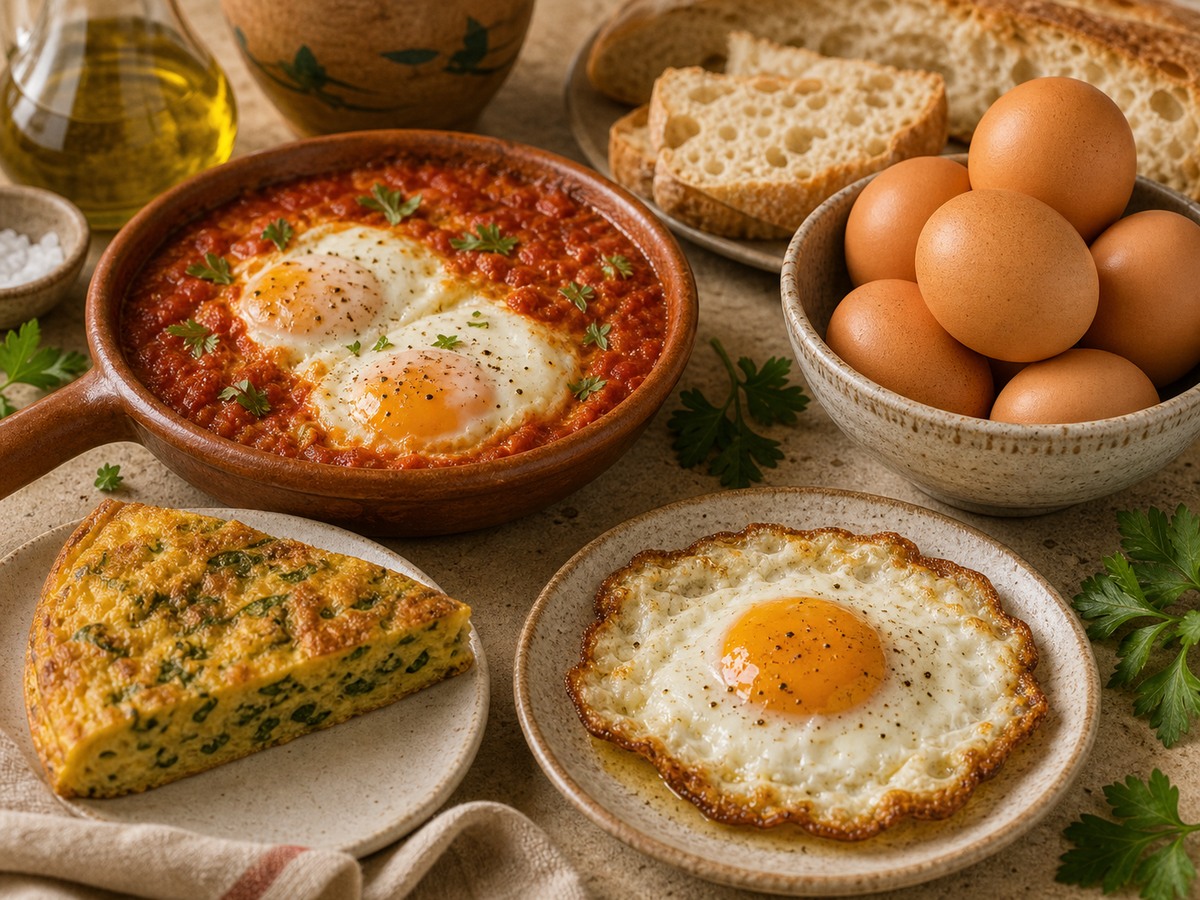
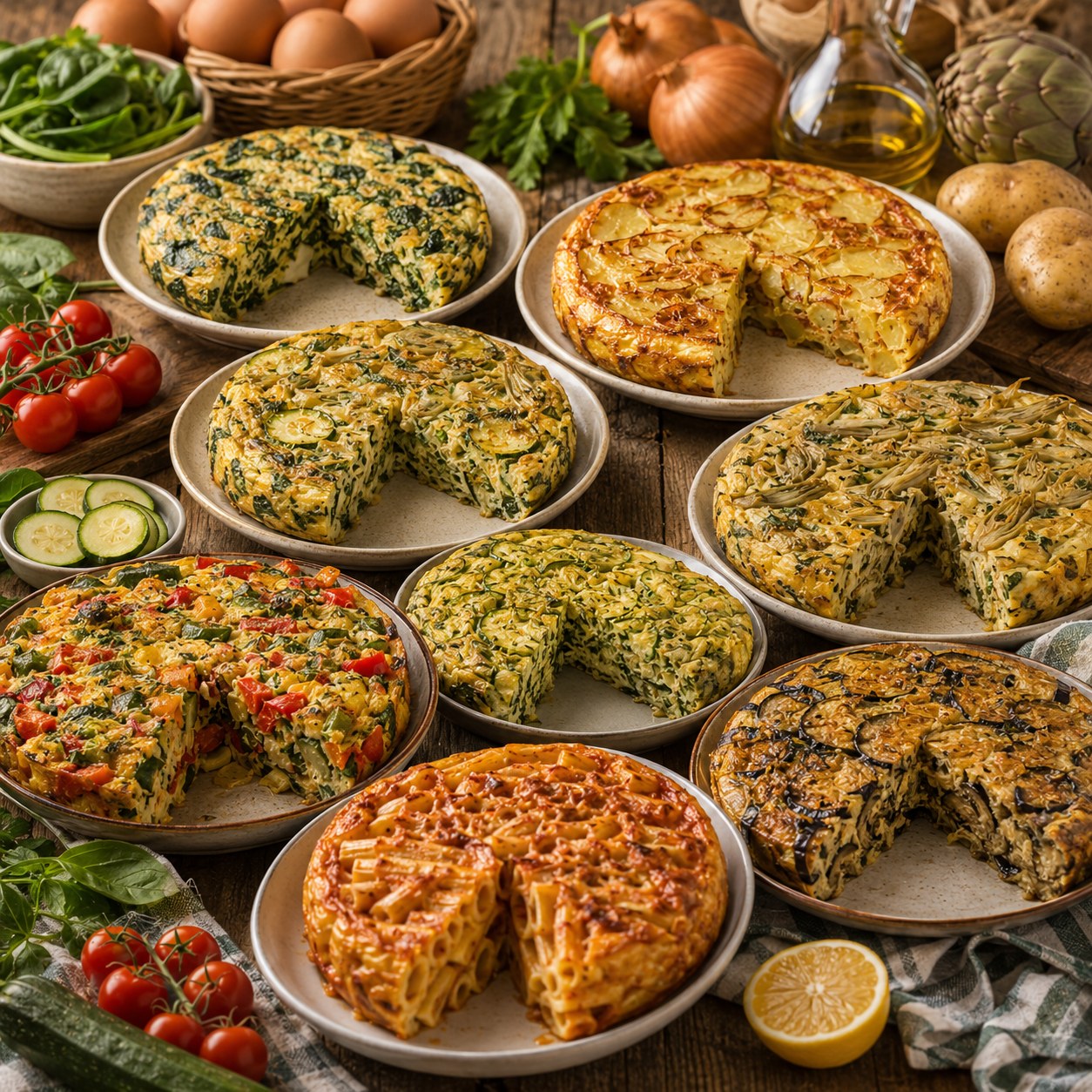
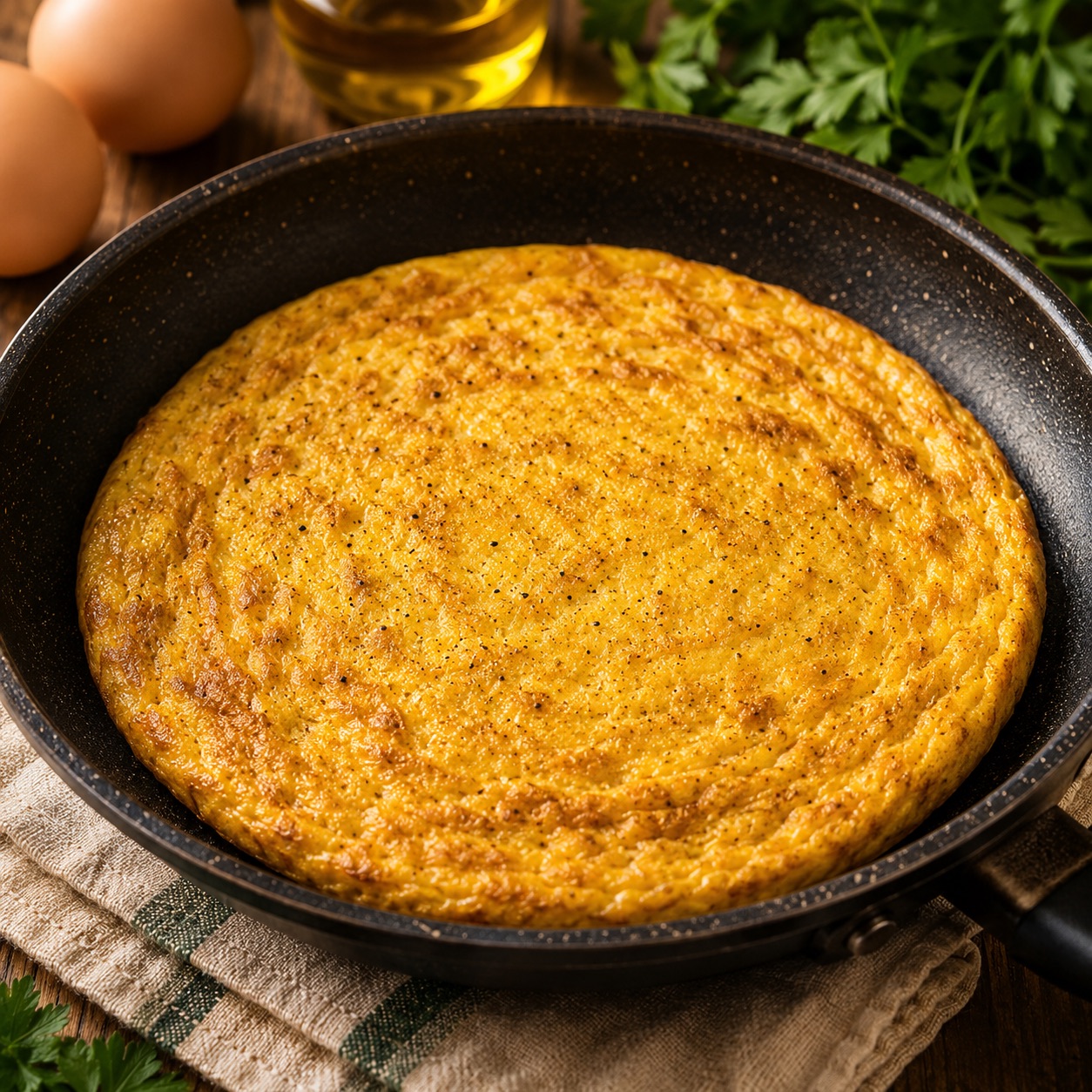
The Italian frittata is not an omelette and should not be treated like one. It is a flat, set egg cake — cooked slowly on one side until the bottom is golden, then flipped once onto the other. The zucchini blossom version is one of the most delicate: the flowers almost disappear into the egg, leaving only their color and their particular gentle sweetness behind. You eat it warm at the table or cold the next day, sliced and placed between two pieces of bread, with a glass of something cold alongside.
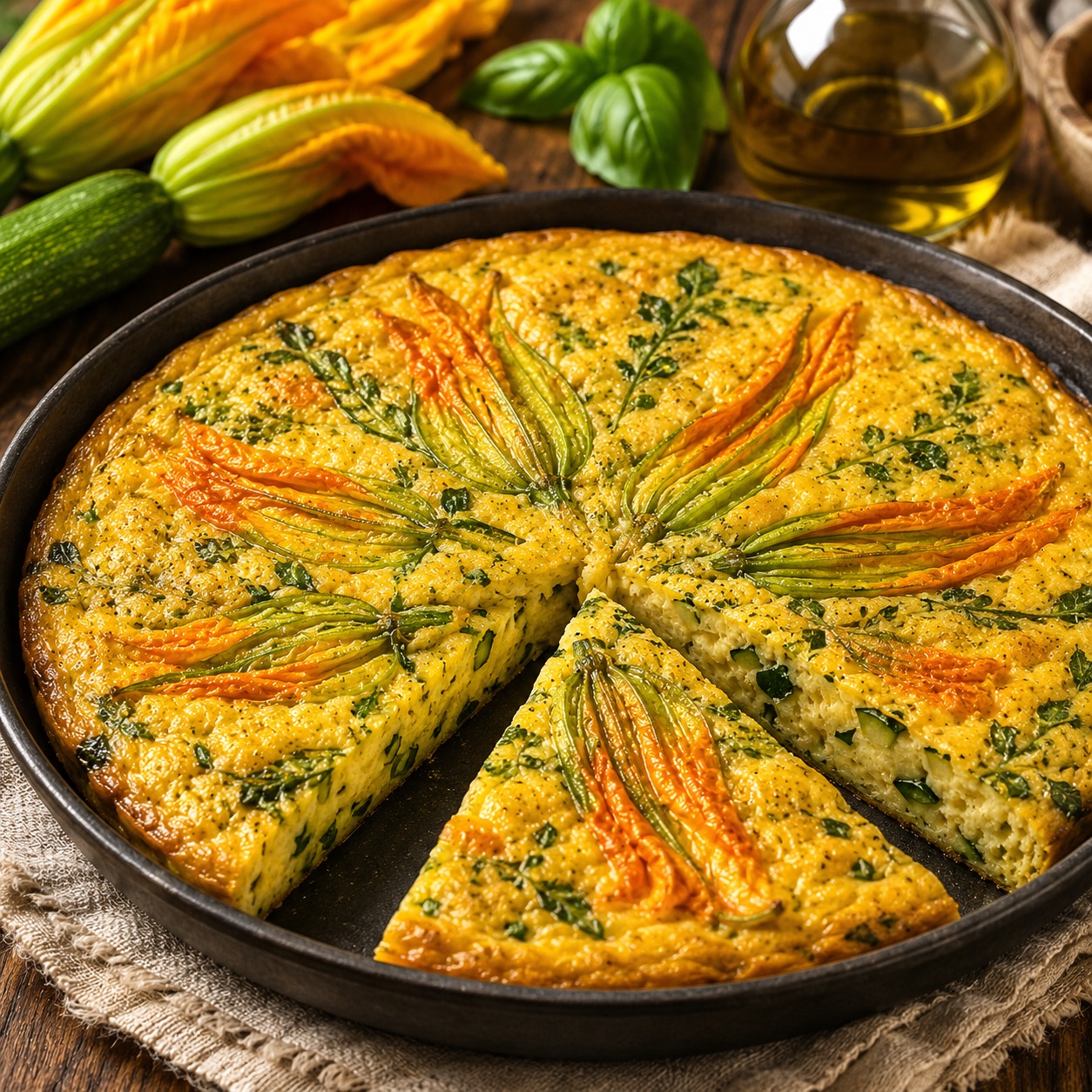
The frittata occupies a specific position in the Italian domestic kitchen — it is the dish that uses what is available and asks very little of whoever is making it. Eggs, olive oil, the pan, whatever is in the house or in the garden. In summer, when the zucchini plants are producing their flowers, the answer to what goes in the frittata is obvious. The blossoms are used in two ways in the same preparation: half are sliced into thin strips and stirred directly into the beaten egg mixture, where they cook into the body of the frittata and flavor it from within; the other half are kept whole and arranged on the surface of the egg in the pan before the lid goes on, where they cook gently from the steam and remain visible as decoration — golden-orange petals embedded in the yellow egg, which is one of the most beautiful things a simple lunch can look like.
The frittata is also one of the preparations that travels well, which in the Campanian summer is a significant virtue. Made in the morning, left to cool to room temperature or refrigerated, it can be carried to the beach or the mountains in the same container as the timballo — sliced and eaten without reheating, often between bread, with a tomato and a few olives alongside. It does not deteriorate at room temperature the way a meat dish would. It is self-contained and complete.
Slow heat and protein denaturation — what makes frittata different from scrambled eggs
The Italian frittata cooked over medium-low heat with a lid produces a fundamentally different protein structure from a scrambled egg or a quickly cooked omelette. Egg white proteins — primarily ovalbumin, ovotransferrin, and ovomucin — denature and coagulate at temperatures between 60°C and 80°C. Cooking slowly at medium-low heat maintains the surface temperature of the egg in this range, producing a soft, cohesive gel with a tender texture. Cooking at high heat exceeds 80°C rapidly and produces a tighter, drier, rubbery coagulate as the proteins over-cross-link and expel water. The lid maintains a humid environment above the egg surface, preventing the evaporation that would dry the top layer before the proteins set: steam condenses on the underside of the lid and falls back onto the frittata surface, keeping it moist. Egg yolk proteins coagulate at slightly lower temperatures than white proteins and contribute the richness, fat-soluble vitamins (A, D, E, K2), and emulsifying lecithin that give the frittata its characteristic body. Six eggs provide approximately 36 g of complete protein with all essential amino acids, plus substantial choline, selenium, and riboflavin. The zucchini blossoms contribute carotenoids — particularly lutein and beta-carotene — whose bioavailability is maximized by the surrounding egg yolk fat, in which they dissolve during cooking and from which they are directly absorbed in the small intestine. A frittata eaten with a piece of whole-grain bread and a salad dressed with olive oil is one of the most nutritionally complete simple meals in the Mediterranean kitchen, providing complete protein, fat-soluble vitamins, carotenoids in bioavailable form, fiber, and monounsaturated fats within a preparation that takes fifteen minutes to make.
The recipe — frittata ai fiori di zucca
Ingredients · serves 4
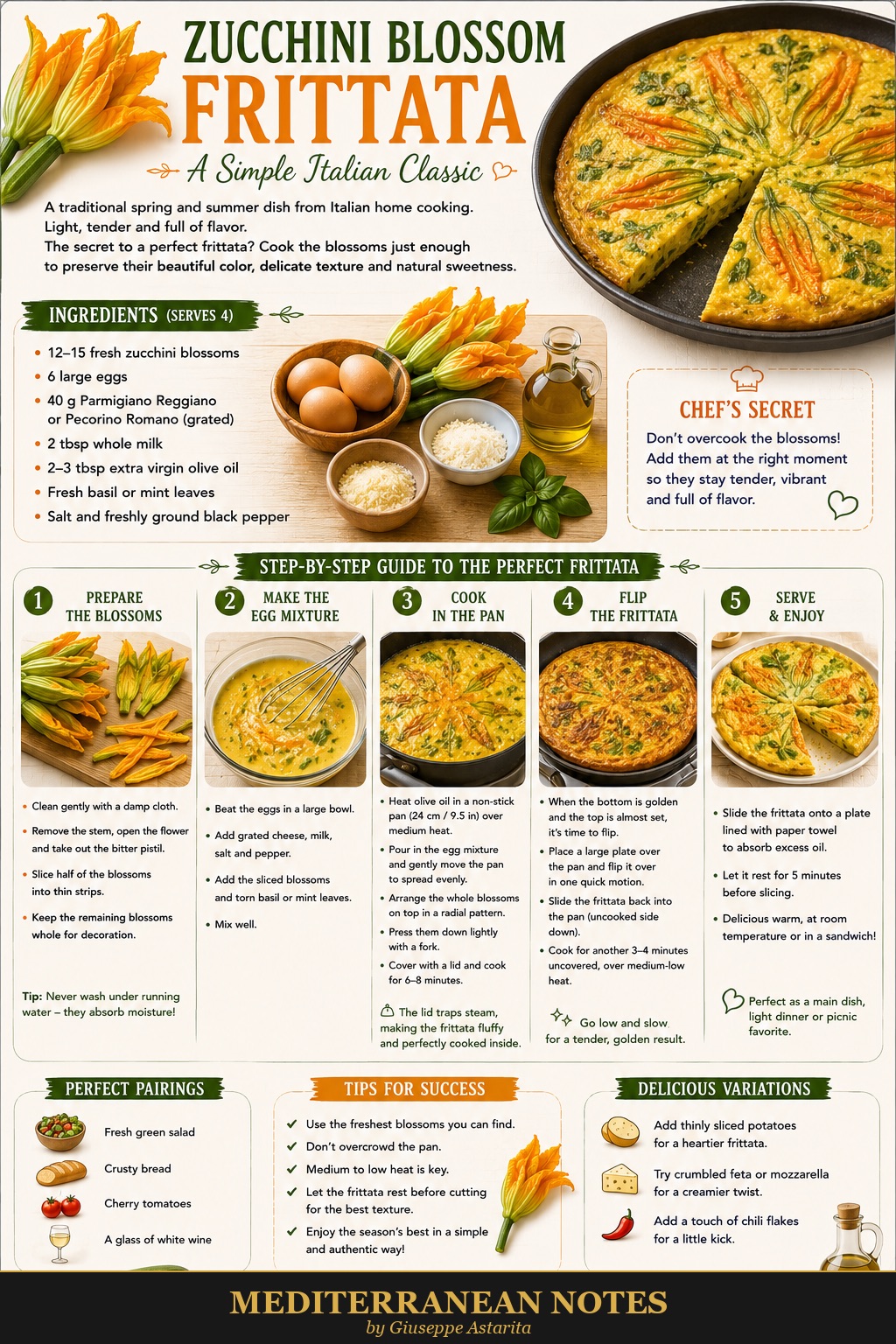
Method
Prepare the blossoms. Open each blossom gently and remove the pistil — the bitter inner stamen. Do not wash under running water; wipe with a damp cloth if needed. Slice half the blossoms into thin strips. Keep the other half whole — these will be arranged on the surface of the frittata.
Make the egg mixture. Beat the eggs in a large bowl until uniform. Add the grated cheese, the milk, salt, pepper, and the torn basil or mint. Add the sliced blossom strips and mix well. The sliced blossoms will cook into the body of the frittata and season it throughout. The mixture should be well combined and fragrant.
Cook — slowly, with a lid. Heat the olive oil in a 24 cm non-stick pan over medium heat. Pour in the egg mixture and move the pan gently to spread it evenly. Arrange the whole blossoms on the surface in a radial pattern — one per slice, pressed lightly into the egg with the back of a fork. Cover with a lid and cook over medium-low heat for 6–8 minutes, until the bottom is golden and the top is almost completely set. The steam under the lid does the work — do not rush it with higher heat.
The frittata is ready to flip when the edges are set, the center is almost firm (a slight wobble is fine), and the bottom releases cleanly from the pan. If it sticks, it is not ready.
Flip and finish. Place a large flat plate — larger than the pan — over the pan. In one quick, decisive motion, flip the pan so the frittata falls onto the plate with the cooked side facing up. Slide the frittata back into the pan, uncooked side down. Cook uncovered over medium-low heat for another 3–4 minutes until the second side is golden. Slide onto a plate and leave to rest for 5 minutes before cutting.
The flip is a single motion, not a gradual tilt. Hesitating in the middle causes the frittata to fold. Commit fully and it works every time.
Serve — warm, at room temperature, or cold. Cut into wedges and serve warm with a fresh green salad and bread alongside. Or leave to cool completely and serve at room temperature — the flavors deepen as it rests and the texture becomes firmer and more sliceable. The next day, cold from the refrigerator, it is excellent in a sandwich between slices of good bread with a few cherry tomatoes.
The frittata ai fiori di zucca is the simplest of the three blossom preparations — simpler than the frittelle, which require a risen batter and frying; simpler than the risotto, which requires thirty minutes of sustained attention and careful stock management. It requires a good pan, good eggs, fresh blossoms, and the patience to keep the heat low and the lid on. The result is always beautiful and always good, which is what a simple summer lunch should be.
Buon appetito — e buona estate.