Fegato in Padella alla Napoletana
Liver and onions, the Neapolitan way — three minutes of liver, thirty minutes of onions, and a generation of mothers convinced it would make us strong.
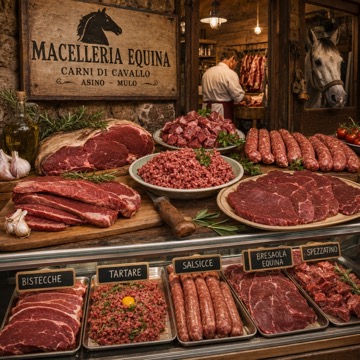
In our kitchen, liver was not a delicacy and it was not a punishment. It was medicine you ate with a fork. My mother cooked fegato for us as kids because liver — like horse meat, like cervella — belonged to a whole category of foods that the culinary wisdom of the time prescribed for growing children. Liver was full of iron and full of blood, and blood, in that logic, was strength. You didn’t have to like it. You had to eat it, and you had to grow.
I am posting this not because you need to make it, but because this is what we ate, and the record matters. Food changes across generations more than we notice while it’s happening. A dish that was on every weeknight table in Naples in the seventies and eighties — quick, cheap, nourishing, gone in ten minutes of cooking — has quietly slipped off the menu, and the reasons it was served (iron! blood! growth!) have been revised by the same science that once endorsed them. This blog keeps both versions of the story.
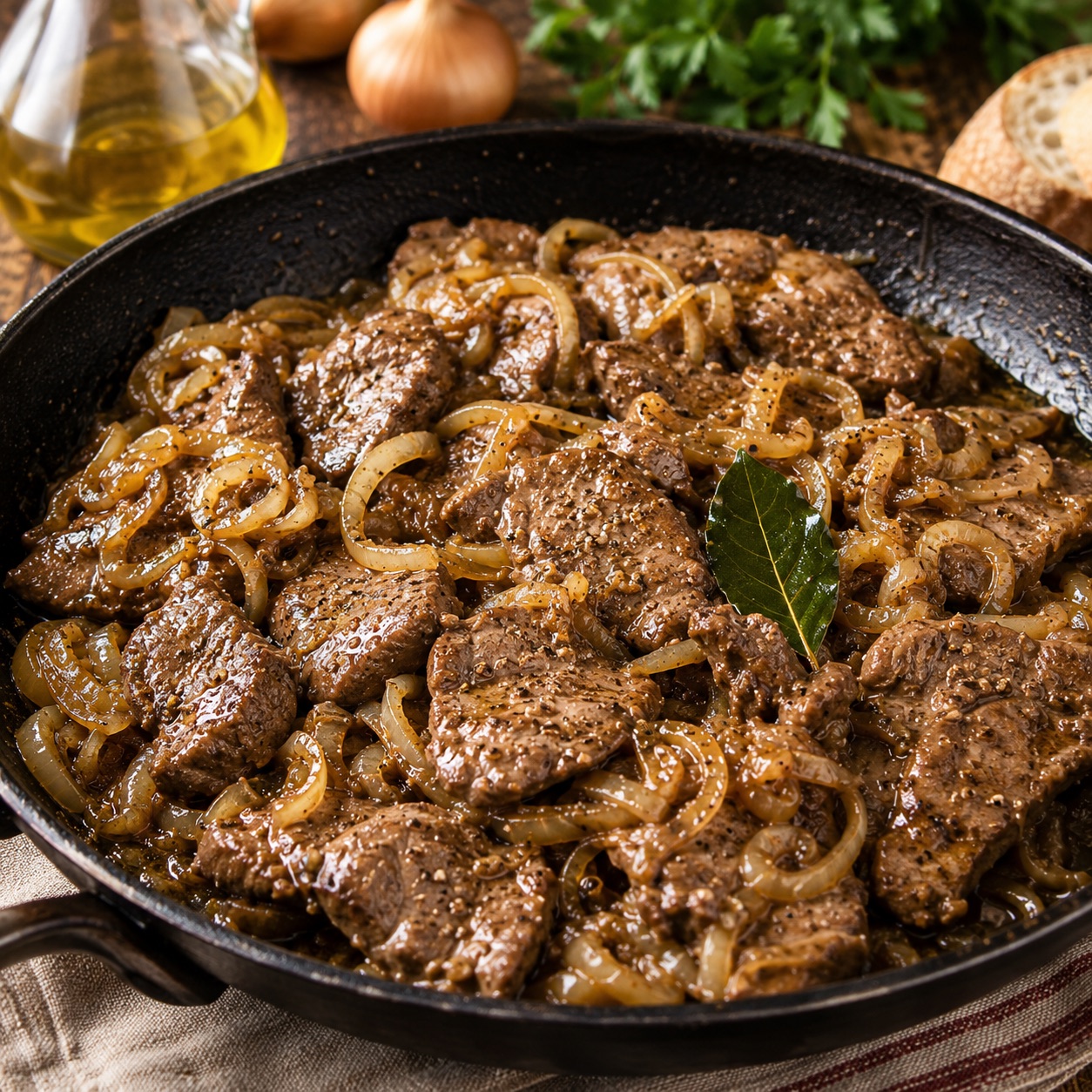
The dish itself is honest Neapolitan home cooking at its most efficient. The secret is not the liver — it’s the onions, a full half-kilo of them, sliced thin and melted slowly in olive oil with a bay leaf until they turn sweet and almost saucy. The traditional ratio is one-to-one, liver to onions, because the onions are doing the diplomatic work: their long sweetness rounds off the liver’s mineral edge. Then the liver itself is cooked with almost insulting speed — two or three minutes, a splash of vinegar or white wine, done. Overcook it by a minute and it turns to rubber; my mother never overcooked it.
The mothers were not wrong about the iron: liver is one of the densest dietary sources of heme iron, plus vitamin A, B12 and folate — exactly what a growing child in a frugal household needed most. What changed is the other side of the ledger. Liver is the body’s filter and storehouse, so it concentrates what the animal accumulated, and its vitamin A content is high enough that modern guidance says occasionally, not weekly — and cautiously for small children and in pregnancy. Same dish, same biochemistry; what moved was the question we ask of it. Then, the question was “does it nourish?” Now it’s “what else comes along?” Both answers are true.
Fegato in Padella alla Napoletana — the full method: slow onions, fast liver, vinegar finish.
The Recipe
Serves 4 · ready in under 10 minutes once the onions are done
- 500 g veal liver (or pork liver), sliced thin
- 500 g onions, white or coppery, sliced as thin as you can
- 3–4 tbsp extra virgin olive oil
- 1 bay leaf
- A splash of white wine or wine vinegar
- Salt
- Freshly cracked black pepper