Il Toast
What Italians mean when they say toast — and why it is not what you think
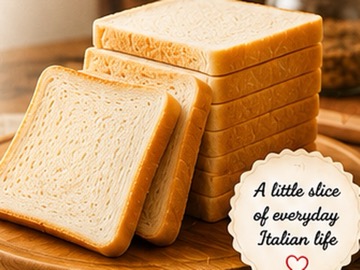
In the United States, toast is bread that has been toasted. In Italy, when you say "facciamoci un toast stasera," you mean a pressed sandwich of pan carrè, prosciutto cotto, and Sottiletta. When my mother said it, it meant she did not feel like cooking and dinner would be very good anyway.
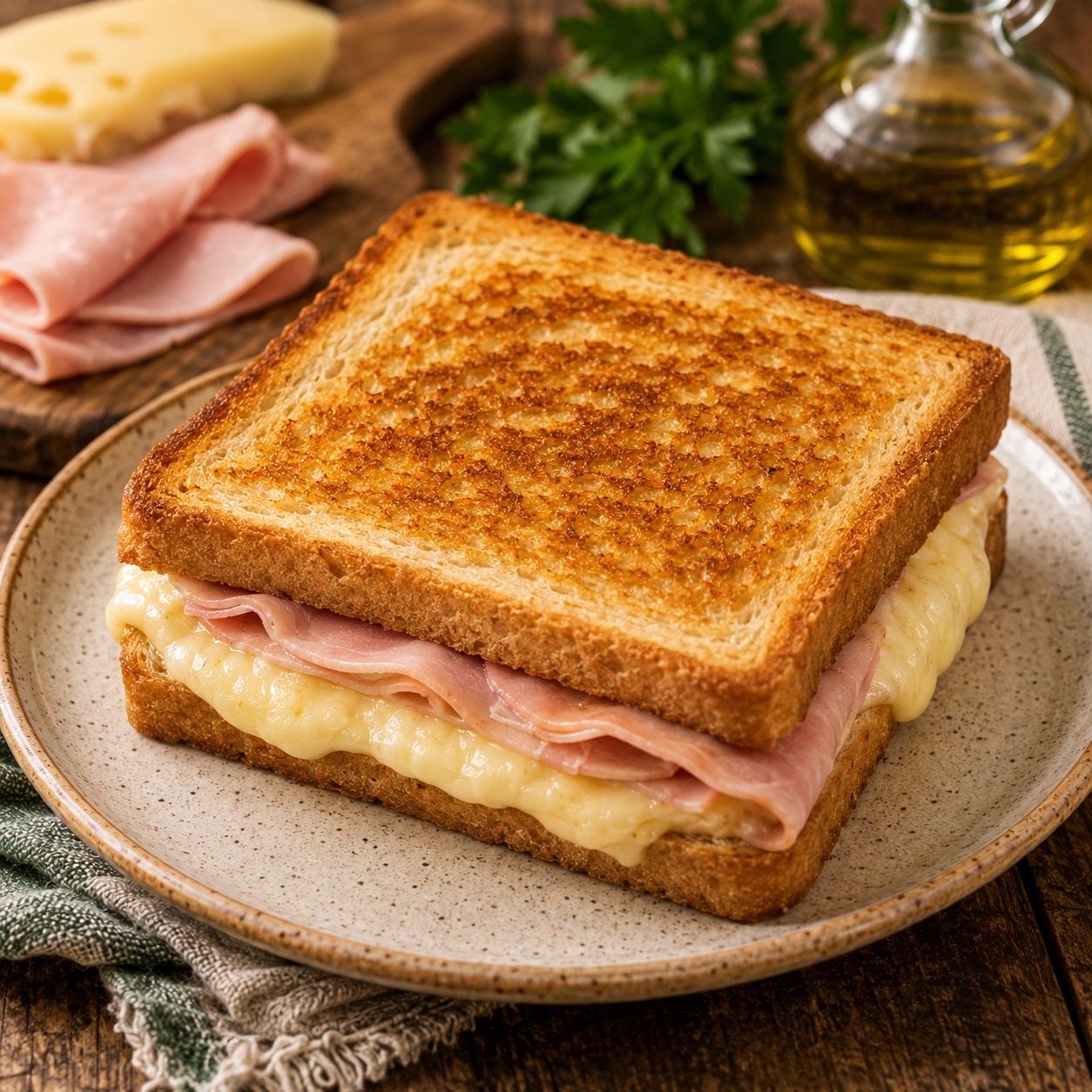
When there was not much in the kitchen, or when my mother simply did not want to make a full dinner — which happened, she was not a person who cooked out of obligation every single evening — she would say: facciamoci un toast. This was not a consolation. It was a specific proposal that everyone in the family understood and accepted immediately. The toast required pan carrè, prosciutto cotto, and Sottiletta. That was the full list of ingredients. It required the toaster, which in Italian homes of the 1980s was a dedicated electric press with ridged plates — not a slot toaster, a press, what the Americans call a panini press or a sandwich maker. Ours sat on the counter near the stove. It had a round handle and a little indicator light and it took about three minutes to heat up and about four minutes to cook the sandwich once assembled.
The Italian toast is not equivalent to the American grilled cheese sandwich, though they are related. The grilled cheese is made in a pan, usually with butter, with various types of cheese and sometimes additional fillings. The Italian toast is made in a press that applies equal pressure to both sides simultaneously, sealing the edges and creating the characteristic golden pattern on the outer surface. This sealing is important: the sealed edges trap the melted Sottiletta inside, so when you pick up the toast and bite into it the cheese pulls in a way that is specific to this preparation. A toast made in a pan rather than a press produces a different result — good, but not the same. The press is the correct tool. This is not a preference. This is how a toast is made.
The Sottiletta deserves a note. It is a brand name — technically a processed cheese slice, made by Kraft, sold in Italy since the 1960s — that has become the generic name for all processed cheese slices in Italian usage, the way Kleenex becomes a generic for tissues. Any thin slice of processed or semi-processed cheese can be called a Sottiletta in Italian conversation, but the original Sottiletta, in its specific mild, creamy formulation, melts at exactly the right rate and temperature for a three-to-four minute press. It does not overheat, does not separate, does not become rubbery. It becomes a molten layer that fills the space between the ham and the bread and stays there when you cut the sandwich in half. I have tried various alternatives in Massachusetts and I have not found one that behaves identically. The American processed cheese slices are slightly different in melt character. Close enough for all practical purposes. Not quite the same.
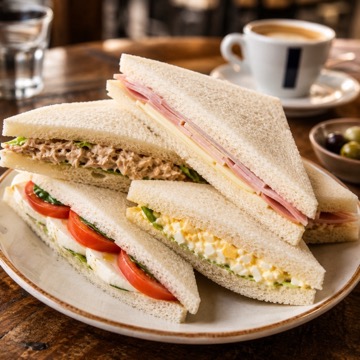
There are Italian bars and cafes that have been serving the toast since at least the 1970s, and it is a standard item on every Italian bar menu alongside tramezzini and cornetti. The bar version is sometimes more elaborate — with tomato, with multiple types of cheese, with added ingredients that raise it toward a full meal. The home version, in my family, was always the classic: bread, ham, Sottiletta. The ham was prosciutto cotto, the cooked variety, never crudo. This is one of the rules. Prosciutto crudo, heated inside a press, does what no one wants it to do — it tightens and dries, losing the moisture that makes it good cold. Prosciutto cotto stays tender under heat. The distinction matters.
The pressed sandwich maker does two things that a pan cannot: it applies uniform heat and pressure to both sides simultaneously, and it seals the edges. The sealing happens because the pressure compresses the edges of the bread while they are hot, fusing the two slices of pan carrè into a single sealed structure around the perimeter. This seal creates a closed environment for the filling, which means the steam produced by the heated ham and melting cheese cannot escape from the sides and instead remains inside, contributing to the warm, slightly moist interior texture of the finished toast. Without the seal, that steam escapes and the interior is drier. The processed cheese (Sottiletta) melts at a relatively low temperature — around 60-65°C — because of the emulsifying salts in its formulation, which lower the effective melting point compared to natural cheese. This means it reaches the molten state within the three-to-four minutes of pressing without any component burning or separating. Prosciutto cotto, made from cured and cooked pork, contains denatured proteins that are already cooked — heating them further under pressure causes slight additional moisture loss but does not tighten or toughen the meat significantly, because the proteins are already fully denatured. This is why cooked ham stays tender in a press while cured raw ham (prosciutto crudo) would tighten unpleasantly. The Maillard browning on the outer bread surface creates the golden color and the slight crunch that distinguishes the pressed toast from a plain assembled sandwich.
The recipe
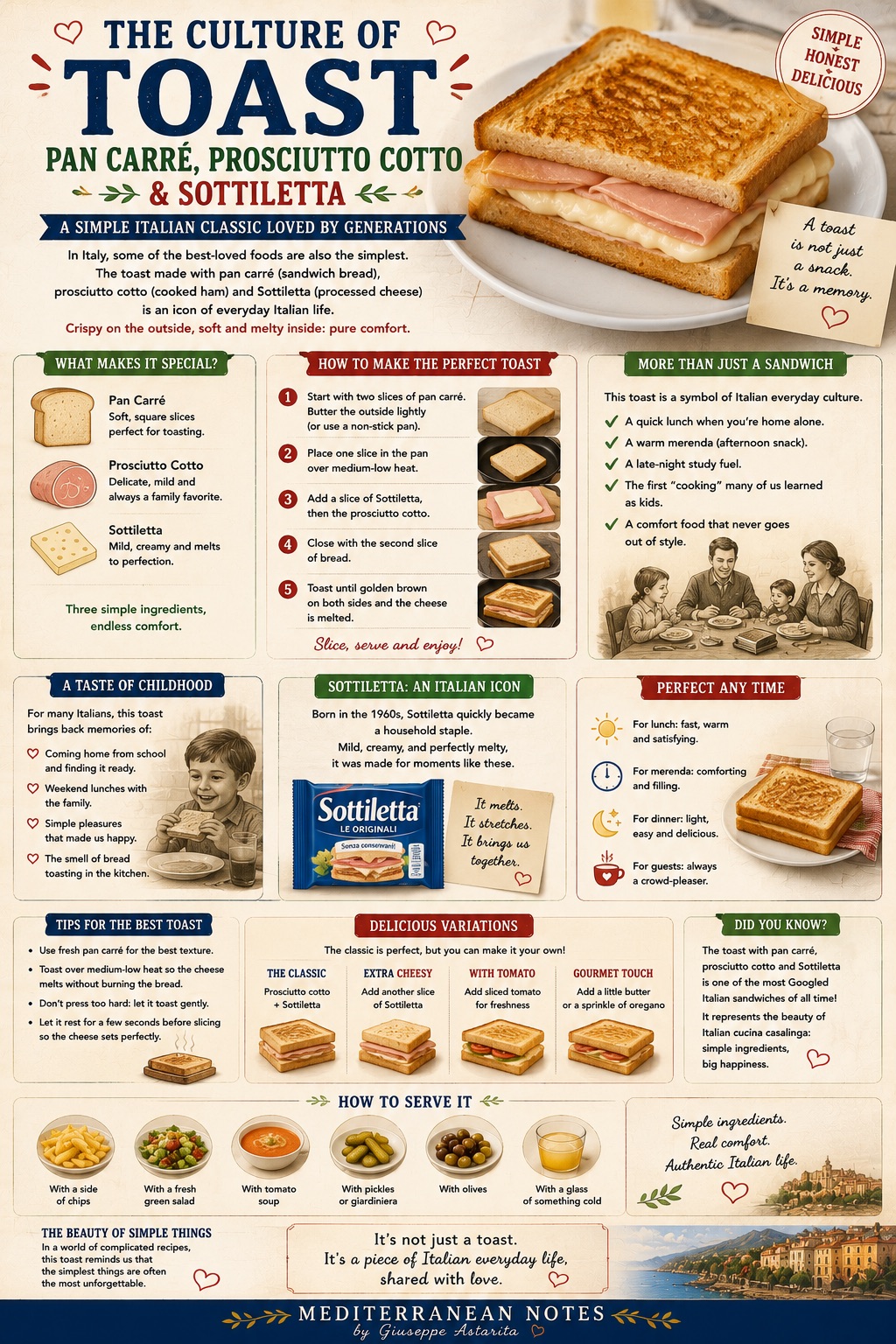
Variations
I have a press here in Massachusetts. I bought it specifically for this purpose. My daughters eat toast the way I did — with chips on the side or a small salad, but the toast as the main event of the evening. When there is not much in the kitchen and nobody feels like making a full dinner, my wife and I make toast. Facciamoci un toast stasera. The kitchen smells the same as it did in Caserta in 1985 when it heats up on the press. Some preparations do not require improvement.
Buon appetito — e fallo ben pressato.