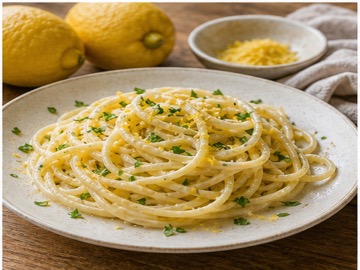
Limoncello e Crema di Limoncello
Two Amalfi Coast liqueurs — the classic and the creamy version
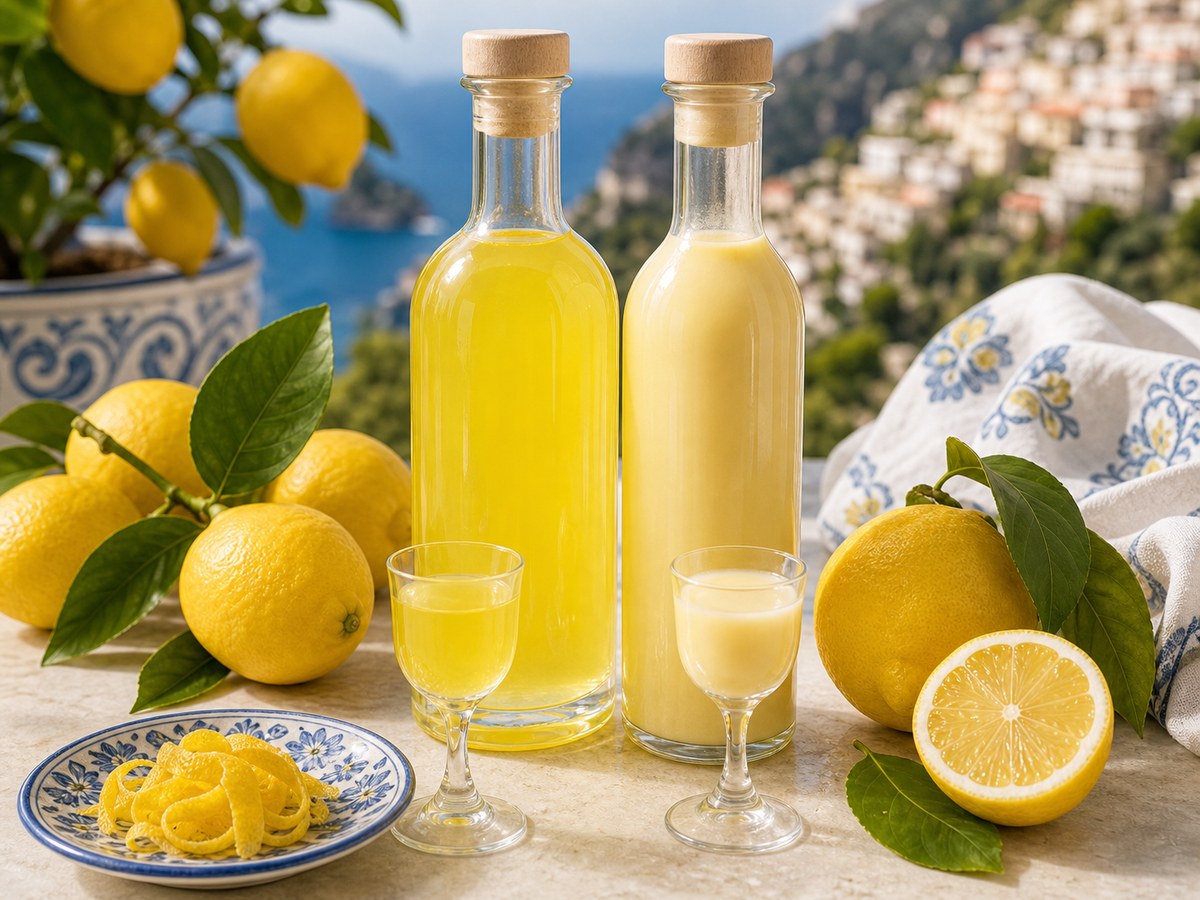
Limoncello was born, according to every version of the origin story, somewhere along the Amalfi Coast — in Sorrento, in Positano, in Capri, depending on who is telling it. What all versions agree on is the essential simplicity: the zest of the local lemons infused in high-proof alcohol for a week or more, then combined with a cold sugar syrup. The result is a bright yellow liqueur with an intense lemon aroma and a clean, sharp sweetness that comes from the zest rather than the juice and therefore carries none of the acidity. Served ice-cold from the freezer in frozen shot glasses at the end of a meal, it is one of the most perfect digestivi in the Italian repertoire.
The crema di limoncello is a more recent invention — a version that replaces the sugar syrup with a cream base of whole milk and fresh cream, producing something softer, silkier, and more indulgent. It has less of the sharp, clean quality of the classic and more of a dessert character. Both are worth making. The classic is the one to serve after a fish dinner in summer; the crema is the one to serve after a rich meal in winter, chilled but not frozen, with a biscotto on the side.
The lemons matter. The sfusato amalfitano and the limone di Sorrento — the Campanian varieties with their thick, oil-rich, intensely aromatic peel — produce a limoncello of a quality that standard supermarket lemons cannot approach. The limonene and linalool content of the peel is higher, the resulting infusion more fragrant, the finished liqueur more complex. If you can source Amalfi or Sorrento lemons at an Italian specialty store, use them. If not, the best organic unwaxed lemons available are the correct choice — the alcohol extracts whatever aromatic compounds are there, and the more there are, the better the result.
The aromatic compounds in lemon zest are primarily lipophilic — they dissolve in fat and in alcohol, not in water. Limonene, the compound responsible for the characteristic bright citrus character, and linalool, which adds a floral note, are both concentrated in the oil glands of the outer peel and are efficiently extracted into ethanol at 95–96% concentration within 7–10 days. Lemon juice, by contrast, contains primarily water-soluble organic acids — citric acid — and very little limonene or linalool. This is why limoncello is made from peel and not juice: the juice would provide acidity, not aroma. The high alcohol concentration also acts as a preservative, inhibiting microbial growth and allowing the limoncello to be kept at room temperature for months before being diluted with the sugar syrup. After dilution, the alcohol concentration drops to approximately 25–30%, which is below the threshold for reliable ambient preservation — bottled limoncello should be refrigerated after opening.
The recipes
Limoncello classico (makes ~1 litre)
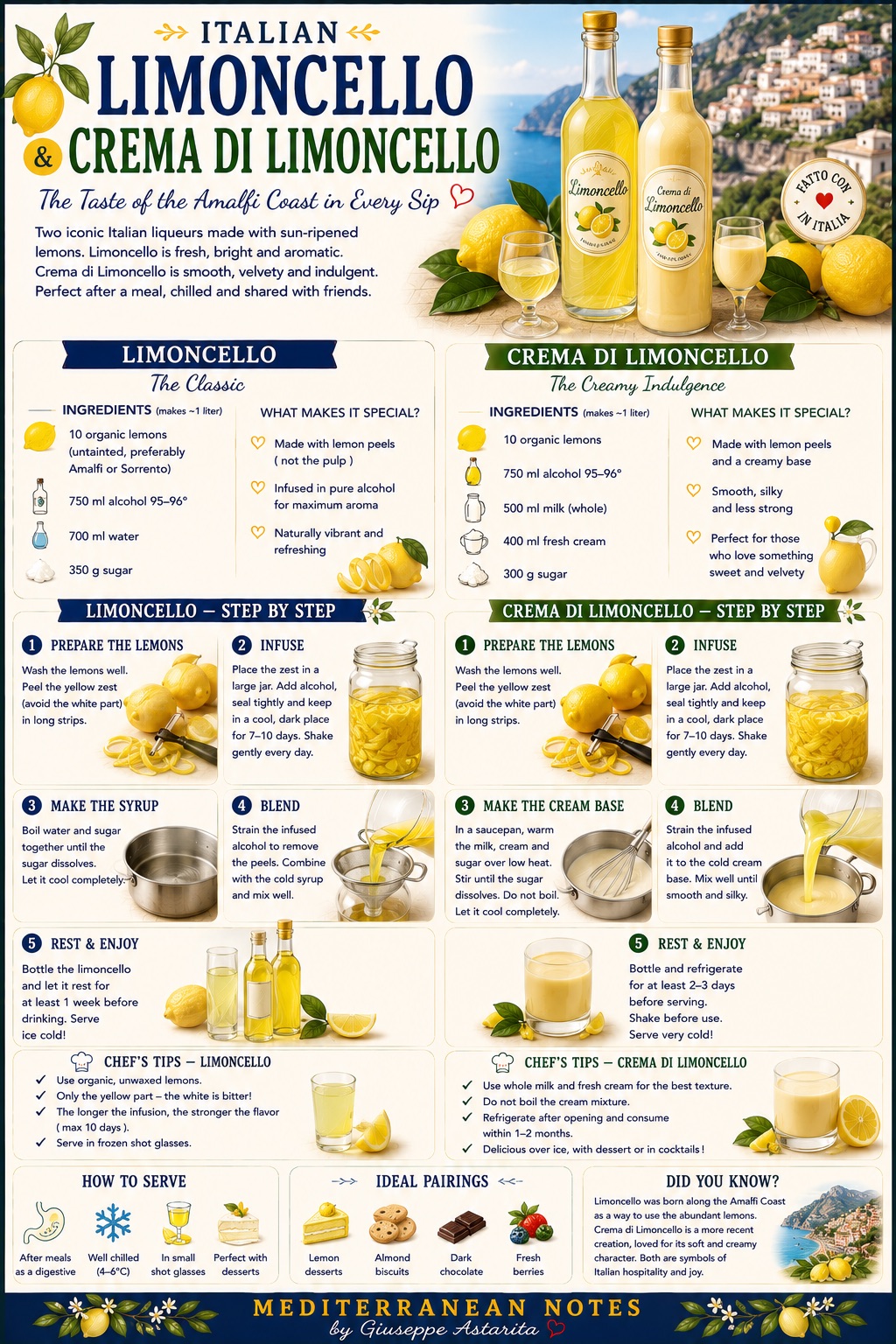
Crema di limoncello (makes ~1 litre)
Salute — e cin cin.