La Salsiccia Campana
The sausage that defines every celebration — six ways to enjoy it
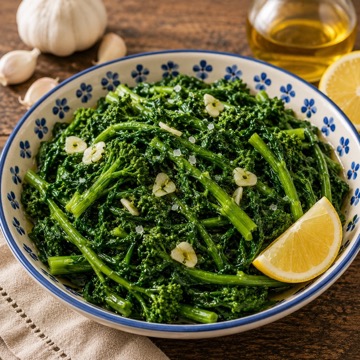
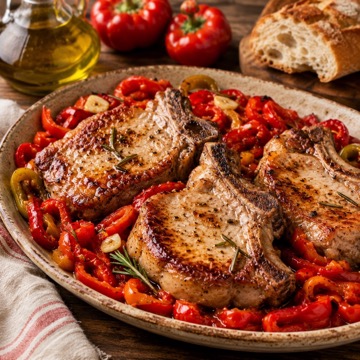
Pork, salt, pepper, garlic, and wild fennel seed — this is the Campanian sausage. Juicy, fragrant, versatile in a way that few single ingredients are. It appears grilled over open fire at summer barbecues, pan-fried on winter evenings, with potatoes at Sunday lunch, with friarielli as the great Neapolitan pairing, with papaccelle for the sweet-sour contrast, and with pickled eggplant for the most local of combinations. This is a guide to all six.
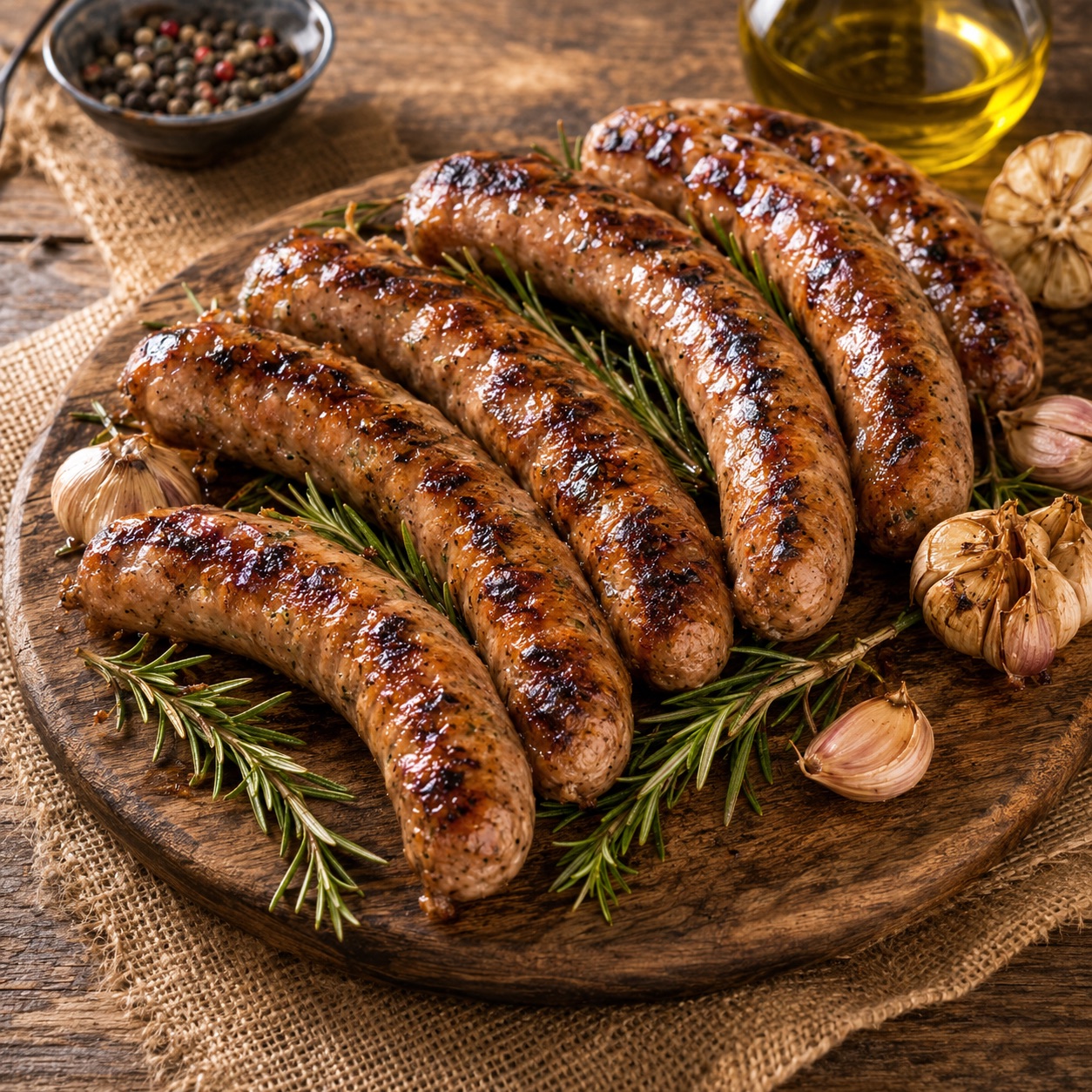
The salsiccia campana is not an elaborate product. It is pork — shoulder and belly in most versions, with some butchers using rib trimmings — ground coarsely, seasoned with salt, black pepper, and garlic, and perfumed with the seeds of wild fennel. The wild fennel grows everywhere in Campania, along roadsides and hillsides and the edges of fields, producing seeds that are more aromatic and less sweet than cultivated fennel and that give the Campanian sausage its characteristic fragrance — something between anise and herbs, distinctly southern, instantly recognizable. This is what distinguishes the Campanian sausage from the Calabrian (which uses chili), the Tuscan (which uses fennel but differently), and the northern versions (which use no fennel at all).
The sausage is present at every Campanian celebration: at the barbecue when the weather is good, at Christmas and Easter in the long cooking that turns it into a ragù component, at the sagra di paese where it is grilled over open fire and sold in a bread roll to be eaten standing up. In the home kitchen it appears more modestly but just as frequently — a pan-fried sausage deglazed with white wine is dinner on a Tuesday evening, requiring nothing more than bread and a glass of Aglianico. This is the correct register: the sausage is not a special occasion ingredient. It is an everyday one that rises to the occasion when the occasion requires it.
Wild fennel seeds contain anethole — the same compound responsible for the anise flavor of pastis, ouzo, and sambuca — but in wild fennel the anethole is accompanied by a broader range of terpene compounds (fenchone, limonene, alpha-pinene) that give a more complex, herbaceous character than the cultivated variety. When the sausage is heated, these volatile compounds are released from the fat in which they are dissolved and enter the air as aromatic vapor — which is why a Campanian sausage grilling over open fire smells the way it does from twenty meters away. The anethole and related compounds are lipophilic: they dissolve readily in the pork fat and distribute through the meat during cooking, so that each bite carries the fennel fragrance consistently rather than only where the seed itself was placed.
The instruction not to pierce the sausage is thermodynamically straightforward: the fat and water inside the casing are under slight pressure from the expanding gas produced during cooking. A pierced casing releases this pressure, allowing the flavorful juices to flow out rather than staying inside the meat. The result is measurably drier — tests show a pierced sausage loses up to 30% more moisture than an unpierced one cooked at the same temperature. Lower heat achieves the same cooked result without the burst risk.
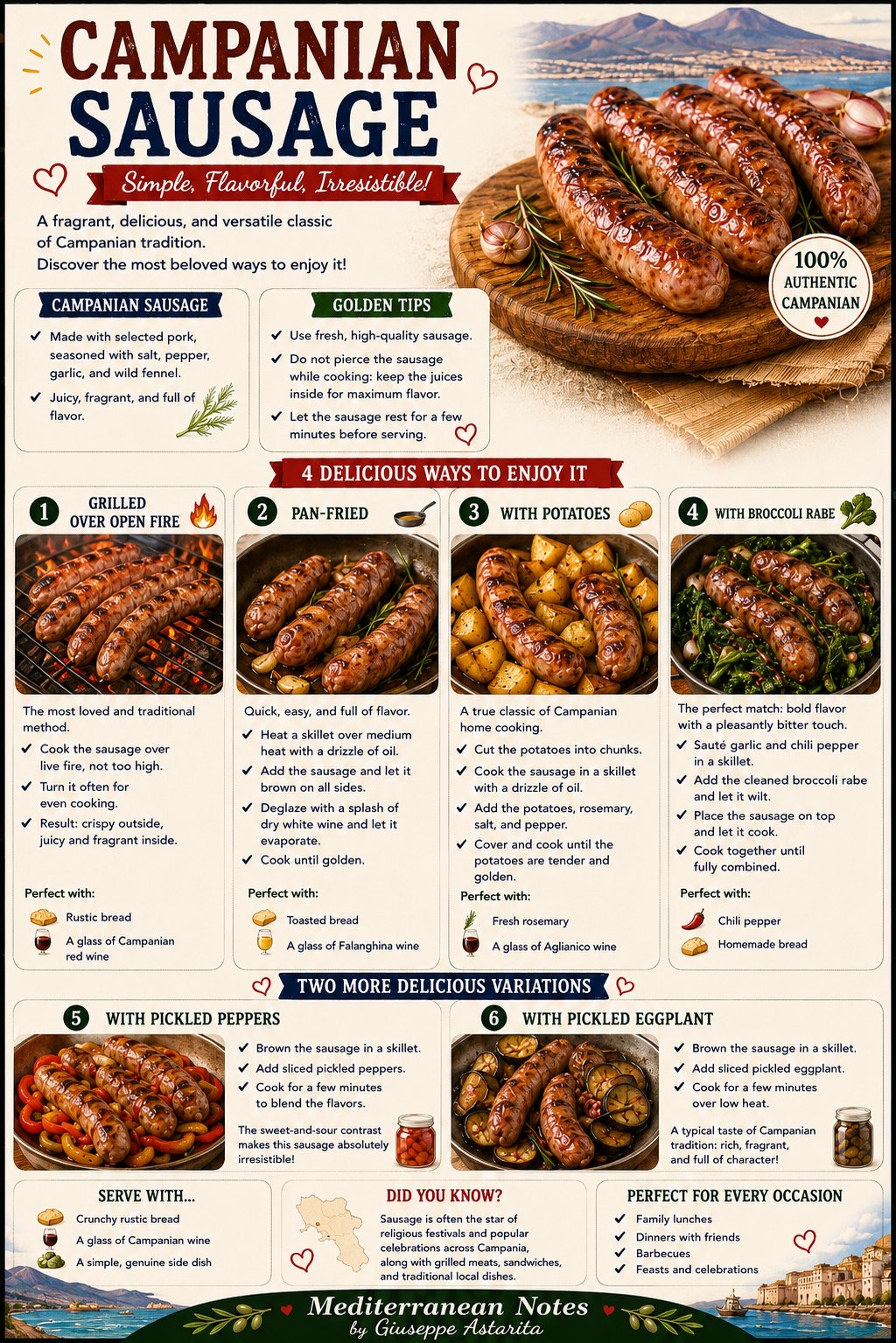
Six preparations
Three golden rules apply to all six: use fresh, high-quality sausage; do not pierce it during cooking; let it rest a few minutes before serving. Everything else varies.
A note on sourcing
In the United States, genuine Campanian sausage with wild fennel is difficult to find. The closest substitutes are Italian-style sweet sausage from a good Italian butcher, or Calabrian sausage if you want more heat. In either case, look for sausage made with coarsely ground pork and seasoned simply — avoid anything with added sweeteners, excessive fennel seed, or spice mixes that suggest something other than southern Italian tradition. If you have access to a good butcher, ask for pork sausage with fennel seed and black pepper, no chili. That is the Campanian profile.
At home I use the best Italian sausage available at a local Italian market. It is not the same as what you find at a butcher in Caserta, but with good preparation and the right accompaniments — friarielli, papaccelle, potatoes — it comes close enough to be worth making, and worth eating, which is the real measure.
Buon appetito — e non foratela mai.